

What are the differences between different types of laboratory benchtops?
Nov 28, 2025
Hey there! As a supplier of laboratory benchtops, I've seen firsthand the wide variety of options out there, and I'm super excited to share with you the differences between different types of laboratory benchtops. Whether you're setting up a new lab or looking to upgrade your existing one, understanding these differences is crucial to making the right choice.
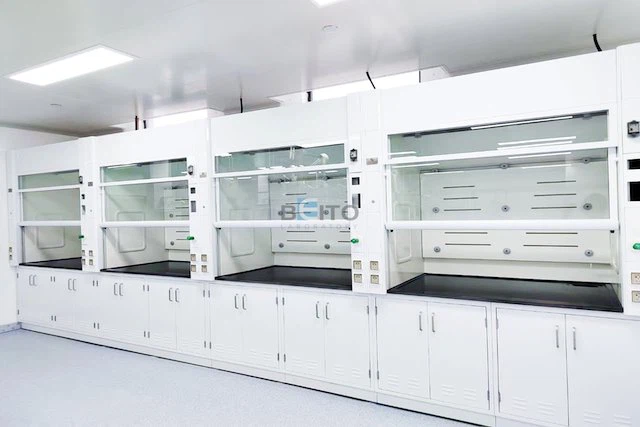

1. Material Differences
Trespa Lab Benches
Trespa is a well - known material in the lab bench world. Trespa Lab Benches are made from high - pressure laminate (HPL). This material is extremely durable. It can withstand a lot of wear and tear, which is perfect for busy labs where there's a lot of activity.
One of the great things about Trespa benchtops is their chemical resistance. They can handle exposure to many common lab chemicals without getting damaged. This means you don't have to worry too much about spills ruining your bench. Also, Trespa has a smooth surface, which makes it easy to clean. You can just wipe it down with a cleaning solution, and it'll be as good as new.
However, Trespa isn't indestructible. If you subject it to extremely high temperatures, it might start to show signs of damage. And while it's resistant to many chemicals, there are some strong acids and solvents that can still cause problems over time.
Wooden Lab Bench
Wooden Lab Bench has a classic look that many people love. Wood gives a warm and natural feel to the lab environment, which can be a nice change from the typical sterile - looking benches.
There are different types of wood used for lab benches, like oak and maple. Oak is very strong and durable, while maple is known for its smooth finish. Wood is also relatively easy to work with. If you need to make modifications to the bench, like cutting holes for equipment, it's not as difficult as with some other materials.
But wood does have its drawbacks. It's not as resistant to chemicals as Trespa. If you spill a strong acid or base on a wooden bench, it can cause staining and damage. Wood is also more prone to warping if it's exposed to moisture for long periods. You have to be careful about keeping it dry and treating it regularly to maintain its integrity.
Laboratory Desk
Laboratory Desk can come in a variety of materials, including metal, plastic, and composite. Metal desks are very sturdy and can support heavy equipment. They're also resistant to fire and some chemicals. Plastic desks, on the other hand, are lightweight and often more affordable. They're easy to clean and can be a good option for less demanding labs.
Composite desks combine the best of different materials. For example, they might have a metal frame for strength and a plastic or laminate top for chemical resistance and easy cleaning. The advantage of composite desks is that you can customize them to suit your specific needs.
2. Cost Differences
Cost is always a big factor when choosing a laboratory benchtop. Trespa Lab Benches tend to be on the more expensive side. The high - quality manufacturing process and the durability of the material contribute to the higher price. But when you think about it, you're getting a long - lasting bench that can handle a lot of abuse, so it might be worth the investment in the long run.
Wooden Lab Benches can vary widely in price depending on the type of wood and the quality of construction. High - end hardwood benches can be quite costly, while more basic pine or plywood benches are more affordable. However, you also have to factor in the cost of maintenance, like treating the wood to prevent damage.
Laboratory Desks made of metal are usually more expensive than plastic ones. Metal is a more expensive material, and the manufacturing process can be more complex. Plastic desks are often the most budget - friendly option, but you might sacrifice some durability and functionality.
3. Functionality and Use - Case Differences
The functionality of a laboratory benchtop depends on its intended use. If you're working in a chemistry lab where you're dealing with a lot of chemicals, Trespa Lab Benches are a great choice. Their chemical resistance and easy - to - clean surface make them ideal for handling spills and keeping a clean working environment.
In a biology lab, where you might be doing a lot of microscopy and cell culture work, a smooth and stable surface is important. Wooden Lab Benches can provide a good working surface, and their natural look can make the lab a more pleasant place to work. However, you need to be extra careful about contamination, as wood can harbor bacteria if not properly cleaned.
Laboratory Desks can be used in a variety of settings. In a teaching lab, where there are multiple students using the benches at once, a composite or plastic desk might be a good option. They're affordable, easy to clean, and can withstand the wear and tear of student use. In a research lab where you're using high - precision equipment, a metal desk with a vibration - dampening surface might be more appropriate.
4. Aesthetics
Aesthetics can't be ignored when choosing a laboratory benchtop. Trespa Lab Benches come in a variety of colors and patterns, so you can choose one that matches the overall look of your lab. They have a modern and sleek appearance that can make the lab look more professional.
Wooden Lab Benches add a touch of warmth and character to the lab. They can create a more inviting and comfortable atmosphere, which is especially important if people are going to be spending long hours in the lab.
Laboratory Desks also offer some aesthetic options. Metal desks can have a industrial - chic look, while plastic desks can come in bright colors that can liven up the lab environment.
Conclusion
So, as you can see, there are many differences between different types of laboratory benchtops. When choosing the right one for your lab, you need to consider factors like material, cost, functionality, and aesthetics. Each type of bench has its own pros and cons, and the best choice depends on your specific needs.
If you're still not sure which type of laboratory benchtop is right for you, don't hesitate to reach out. We're here to help you make an informed decision. Whether you're a small teaching lab or a large research facility, we can provide you with the best solution for your laboratory benching needs. Contact us to start the procurement process and let's work together to create the perfect lab environment for you.
References
- Laboratory bench material research from industry reports
- Personal experience and knowledge as a laboratory benchtop supplier