

What is the exhaust system of a fume hood?
Aug 04, 2025
Hey there! As a fume hood supplier, I've had my fair share of chats with folks who are curious about the ins and outs of fume hoods. One question that pops up a lot is, "What is the exhaust system of a fume hood?" Well, I'm here to break it down for you in plain English.
First off, let's talk about what a fume hood is. It's a piece of equipment used in laboratories and other workspaces to protect people from harmful fumes, vapors, and dust. Think of it as a big box with a front opening where you can work with chemicals or other hazardous materials. The fume hood sucks in the air around the work area and then exhausts it outside, keeping the air inside the workspace clean and safe to breathe.
Now, the exhaust system is the heart of the fume hood. It's what makes the whole thing work. The exhaust system is responsible for pulling the contaminated air out of the fume hood and sending it outside. There are a few key components that make up the exhaust system, and I'll go over them one by one.
The Exhaust Fan
The exhaust fan is the most important part of the exhaust system. It's what creates the suction that pulls the air through the fume hood. The fan is usually located on the top of the fume hood or in a separate ductwork system. It's powered by an electric motor, and it can be adjusted to control the amount of air that's being pulled through the fume hood.
When choosing an exhaust fan, you need to consider a few things. First, you need to make sure that the fan is powerful enough to pull the air through the fume hood at the right speed. The speed of the air is measured in feet per minute (fpm), and most fume hoods require an air speed of at least 100 fpm. Second, you need to make sure that the fan is quiet enough to use in a laboratory setting. No one wants to work in a noisy environment!
The Ductwork
The ductwork is the system of pipes that connects the fume hood to the outside. It's what carries the contaminated air from the fume hood to the exhaust fan and then outside. The ductwork needs to be made of a material that's resistant to corrosion and chemicals. It also needs to be the right size to allow the air to flow through it easily.
There are a few different types of ductwork that you can use for a fume hood. The most common type is rectangular ductwork, which is made of sheet metal. Another type is round ductwork, which is made of PVC or other plastic materials. Round ductwork is often used in smaller fume hoods because it's easier to install and takes up less space.
The Airflow Control Device
The airflow control device is what regulates the amount of air that's being pulled through the fume hood. It's usually a damper or a variable air volume (VAV) box. The damper is a simple device that can be opened or closed to control the airflow. The VAV box is a more sophisticated device that can adjust the airflow based on the needs of the fume hood.
The airflow control device is important because it helps to maintain a consistent air speed through the fume hood. If the air speed is too low, the fumes and vapors won't be pulled out of the fume hood effectively. If the air speed is too high, it can create a draft that can blow the fumes and vapors back into the workspace.
The Filters
The filters are what remove the contaminants from the air before it's exhausted outside. There are a few different types of filters that you can use for a fume hood. The most common type is a carbon filter, which is used to remove organic compounds from the air. Another type is a HEPA filter, which is used to remove particulate matter from the air.
The filters need to be changed regularly to ensure that they're working effectively. The frequency of filter changes depends on the type of filter and the amount of use that the fume hood gets. It's a good idea to keep a supply of filters on hand so that you can change them as needed.
Types of Fume Hoods and Their Exhaust Systems
Now that you know the basics of the exhaust system, let's talk about the different types of fume hoods and how their exhaust systems work.
Portable Fumehood
A Portable Fumehood is a great option if you need a fume hood that can be moved around easily. These fume hoods are usually smaller and less powerful than traditional fume hoods, but they're still effective at protecting you from harmful fumes and vapors.
The exhaust system of a portable fume hood is usually a simple system that consists of an exhaust fan and a duct that can be connected to a window or a wall. The fan pulls the air through the fume hood and then exhausts it outside. Some portable fume hoods also come with a carbon filter to remove organic compounds from the air.
Bench Top Fume Hoods
Bench Top Fume Hoods are designed to be placed on a bench or a table. They're a good option if you have limited space in your laboratory. These fume hoods are usually smaller and less powerful than traditional fume hoods, but they're still effective at protecting you from harmful fumes and vapors.
The exhaust system of a bench top fume hood is similar to the exhaust system of a portable fume hood. It usually consists of an exhaust fan and a duct that can be connected to a window or a wall. The fan pulls the air through the fume hood and then exhausts it outside. Some bench top fume hoods also come with a carbon filter to remove organic compounds from the air.

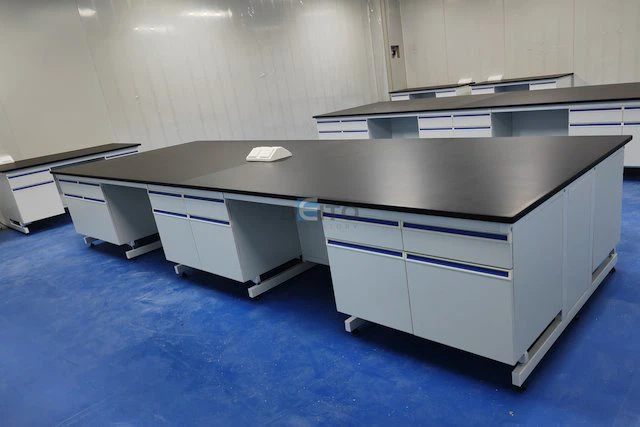
Chemistry Fume Hood
A Chemistry Fume Hood is a more powerful and sophisticated fume hood that's designed for use in chemistry laboratories. These fume hoods are usually larger and more expensive than portable fume hoods and bench top fume hoods, but they're also more effective at protecting you from harmful fumes and vapors.
The exhaust system of a chemistry fume hood is usually a complex system that consists of an exhaust fan, ductwork, airflow control devices, and filters. The fan pulls the air through the fume hood at a high speed, and the ductwork carries the contaminated air to the outside. The airflow control devices regulate the amount of air that's being pulled through the fume hood, and the filters remove the contaminants from the air before it's exhausted outside.
Why Choose Our Fume Hoods?
As a fume hood supplier, we offer a wide range of fume hoods to meet the needs of different laboratories and workspaces. Our fume hoods are made of high-quality materials and are designed to be durable and reliable. We also offer a variety of options and accessories to customize your fume hood to your specific needs.
One of the things that sets us apart from other fume hood suppliers is our commitment to customer service. We have a team of experienced technicians who can help you choose the right fume hood for your needs and install it properly. We also offer ongoing maintenance and support to ensure that your fume hood is working effectively.
If you're in the market for a fume hood, I encourage you to contact us to learn more about our products and services. We'd be happy to answer any questions you have and help you find the right fume hood for your needs.
Conclusion
In conclusion, the exhaust system is the most important part of a fume hood. It's what makes the whole thing work. The exhaust system consists of an exhaust fan, ductwork, airflow control devices, and filters. Each of these components plays a crucial role in ensuring that the fume hood is working effectively and protecting you from harmful fumes and vapors.
If you're in the market for a fume hood, I encourage you to do your research and choose a fume hood that's right for your needs. Consider the size of your workspace, the type of work you'll be doing, and your budget. And don't forget to choose a fume hood supplier that offers high-quality products and excellent customer service.
If you have any questions or need more information about fume hoods or their exhaust systems, please don't hesitate to contact us. We're here to help you find the right fume hood for your needs and ensure that it's working effectively.
References
- Laboratory Fume Hoods: A Guide to Selection, Installation, and Maintenance. American National Standards Institute.
- OSHA Technical Manual (OTM) - Section IV: Chapter 3, Ventilation. Occupational Safety and Health Administration.