

What is the air quality inside a Portable Fume Hood?
Nov 18, 2025
What is the Air Quality Inside a Portable Fume Hood?
As a supplier of Portable Fume Hoods, I've encountered numerous inquiries regarding the air quality within these essential pieces of equipment. Understanding the air quality inside a Portable Fume Hood is crucial for ensuring a safe and healthy working environment, especially in settings where hazardous chemicals or fumes are present.
Portable Fume Hoods are designed to capture, contain, and exhaust harmful fumes, vapors, and dust generated during various laboratory or industrial processes. They play a vital role in protecting users from exposure to potentially toxic substances, which can cause respiratory problems, skin irritation, and other health issues. But what exactly determines the air quality inside these hoods?
Factors Affecting Air Quality
-
Ventilation System Efficiency
The ventilation system is the heart of a Portable Fume Hood. It consists of a fan, ductwork, and filters that work together to draw in contaminated air from the workspace and expel it outside. The efficiency of this system is measured by the face velocity, which is the speed at which air enters the hood through the opening. A higher face velocity generally indicates better capture and containment of fumes. However, it's important to maintain an optimal face velocity, as too high a velocity can cause turbulence and disrupt the airflow pattern, reducing the hood's effectiveness. -
Filter Performance
Filters are another critical component of a Portable Fume Hood. They are responsible for removing particulate matter, chemicals, and other contaminants from the air before it is exhausted. Different types of filters are available, depending on the specific contaminants being targeted. For example, activated carbon filters are effective at removing organic vapors, while HEPA filters can capture fine particles. The performance of these filters can degrade over time, so regular replacement is essential to ensure continued air quality. -
Containment Design
The design of the Portable Fume Hood itself also plays a role in air quality. A well-designed hood should have a smooth interior surface to minimize turbulence and prevent the accumulation of contaminants. It should also have a proper baffle system to direct the airflow and ensure uniform distribution across the workspace. Additionally, the sash (the transparent window at the front of the hood) should be kept at the recommended height to maintain the correct face velocity and prevent fumes from escaping. -
External Factors
External factors such as room temperature, humidity, and air pressure can also affect the air quality inside a Portable Fume Hood. For example, high humidity can cause condensation on the filters, reducing their effectiveness. Similarly, changes in air pressure can disrupt the airflow pattern and cause fumes to leak out of the hood. It's important to consider these factors when installing and operating a Portable Fume Hood to ensure optimal performance.
Measuring Air Quality
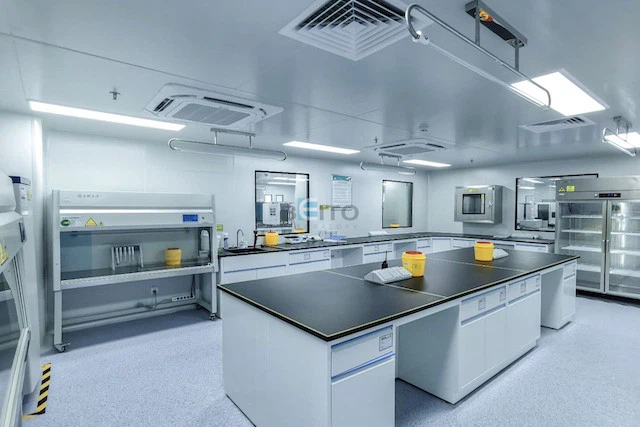
To ensure that the air quality inside a Portable Fume Hood meets the required standards, regular monitoring is necessary. There are several methods available for measuring air quality, including:

-
Face Velocity Measurement
As mentioned earlier, face velocity is an important indicator of the ventilation system's efficiency. It can be measured using a velometer or an anemometer. Regular face velocity measurements should be taken to ensure that the hood is operating within the recommended range. -
Particle Counting
Particle counting is a method used to measure the concentration of particulate matter in the air. It can be used to detect the presence of dust, pollen, and other contaminants. Portable particle counters are available for this purpose, and they can provide real-time data on the particle concentration inside the hood. -
Gas Detection
Gas detection is used to measure the concentration of specific gases in the air. It can be used to detect the presence of hazardous chemicals such as carbon monoxide, nitrogen dioxide, and volatile organic compounds (VOCs). Gas detectors can be either portable or fixed, depending on the application.
Maintaining Air Quality
Maintaining good air quality inside a Portable Fume Hood requires regular maintenance and proper use. Here are some tips to help you keep your hood in optimal condition:
-
Regular Inspections
Regular inspections of the Portable Fume Hood should be conducted to check for any signs of damage or wear. This includes inspecting the filters, ventilation system, and sash for any leaks or blockages. Any issues should be addressed immediately to prevent further damage and ensure continued air quality. -
Filter Replacement
As mentioned earlier, filters should be replaced regularly to maintain their effectiveness. The frequency of filter replacement depends on the type of filter and the level of contaminants being removed. It's important to follow the manufacturer's recommendations for filter replacement to ensure optimal performance. -
Cleaning
The interior of the Portable Fume Hood should be cleaned regularly to remove any accumulated contaminants. This can be done using a mild detergent and water. Avoid using abrasive cleaners or solvents, as they can damage the hood's surface. -
Proper Use
Finally, it's important to use the Portable Fume Hood correctly to ensure optimal air quality. This includes keeping the sash at the recommended height, avoiding overcrowding the workspace, and using the hood only for its intended purpose. By following these guidelines, you can help to maintain a safe and healthy working environment.
Applications and Benefits
Portable Fume Hoods are used in a wide range of applications, including laboratories, research facilities, educational institutions, and industrial settings. They offer several benefits, including:
-
Flexibility
One of the main advantages of Portable Fume Hoods is their flexibility. They can be easily moved from one location to another, making them ideal for temporary or mobile workspaces. This allows users to set up a safe working environment wherever it's needed. -
Cost-Effectiveness
Portable Fume Hoods are generally more cost-effective than traditional fixed fume hoods. They require less installation time and cost, and they can be used in smaller spaces. This makes them a popular choice for budget-conscious organizations. -
Safety
The primary benefit of a Portable Fume Hood is its ability to protect users from exposure to hazardous chemicals and fumes. By capturing and containing these contaminants, it helps to prevent respiratory problems, skin irritation, and other health issues. -
Compliance
Using a Portable Fume Hood can also help organizations to comply with health and safety regulations. Many industries have specific requirements for the use of fume hoods, and using a compliant Portable Fume Hood can help to ensure that these requirements are met.
Related Products
If you're interested in learning more about Portable Fume Hoods or other related products, I recommend checking out the following links:
Conclusion
In conclusion, understanding the air quality inside a Portable Fume Hood is essential for ensuring a safe and healthy working environment. By considering the factors that affect air quality, measuring it regularly, and maintaining the hood properly, you can help to ensure that your Portable Fume Hood is operating at its best. If you have any questions or would like to learn more about our Portable Fume Hoods, please don't hesitate to contact us. We're here to help you find the right solution for your needs.
References
- American National Standards Institute (ANSI). (2016). ANSI/AIHA Z9.5-2016, Laboratory Ventilation.
- Occupational Safety and Health Administration (OSHA). (2019). Control of Hazardous Energy (Lockout/Tagout).
- National Fire Protection Association (NFPA). (2018). NFPA 45, Standard on Fire Protection for Laboratories Using Chemicals.