

How to design a fume hood for brewing operations?
Oct 17, 2025
Hey there! As a supplier in the fume hood design business, I've had my fair share of experiences in creating top - notch fume hoods, especially for brewing operations. In this blog, I'm gonna walk you through the ins and outs of designing a fume hood that's perfect for brewing.
Understanding the Basics of Brewing and Fume Hood Needs
First things first, we need to understand what goes on during brewing. Brewing involves a whole bunch of processes like mashing, boiling, fermenting, and bottling. During these processes, various fumes and vapors are released. For example, when you're boiling the wort, steam and volatile compounds are given off. These fumes can be irritating to the eyes, nose, and throat, and in some cases, they might even be harmful if inhaled in large quantities.
That's where a fume hood comes in. A fume hood is like a protective shield. It captures and removes these unwanted fumes from the air, keeping the brewing area safe and comfortable for the brewers. If you're interested in learning more about the general uses of fume hoods in a laboratory setting, you can check out Fume Hood Uses in Laboratory.
Factors to Consider in Fume Hood Design for Brewing
Size and Capacity
The size of the fume hood is crucial. You need to consider the size of your brewing equipment. If you have a large brewing kettle or multiple fermenters, you'll need a bigger fume hood to cover all the areas where fumes are being generated. Measure the dimensions of your brewing setup and add a little extra space for maneuverability. A fume hood that's too small won't be able to capture all the fumes effectively, while one that's too large can be a waste of space and energy.
Airflow and Ventilation
Airflow is the heart of a fume hood. You want to make sure that the fume hood can pull in the fumes quickly and efficiently. The airflow rate is usually measured in cubic feet per minute (CFM). For brewing operations, a good starting point is to aim for an airflow rate of around 100 - 150 CFM per square foot of the fume hood opening.
The ventilation system should be designed to exhaust the fumes outside the building. This helps prevent the recirculation of contaminated air back into the brewing area. You can install a duct system that connects the fume hood to an exhaust fan on the roof or an exterior wall. If you're curious about the ventilation systems in a chemistry laboratory's fume chamber, Fume Chamber in Chemistry Laboratory has some great insights.
Material Selection
The materials used in the construction of the fume hood are important for durability and chemical resistance. Since brewing involves contact with water, acids, and various chemicals, the fume hood should be made of materials that can withstand these substances. Stainless steel is a popular choice because it's strong, easy to clean, and resistant to corrosion.
The interior lining of the fume hood should also be smooth to prevent the accumulation of dirt and fumes. You can choose a lining material that's specifically designed for chemical resistance, such as polypropylene or epoxy-coated steel.
Lighting
Good lighting is essential in a fume hood. You need to be able to see what you're doing clearly, especially when working with hot liquids or delicate brewing processes. Install bright, energy - efficient LED lights inside the fume hood. Make sure the lights are positioned in a way that they don't create shadows and provide even illumination across the entire workspace.
Design Features for Brewing Fume Hoods
Sash Design
The sash is the movable window on the front of the fume hood. It plays a key role in controlling the airflow and protecting the user. For brewing operations, a vertical - sliding sash is often a good choice. It allows you to adjust the opening height easily, depending on the size of the equipment you're using.
Keep the sash as low as possible while still being able to work comfortably. This helps maintain a good airflow pattern and reduces the amount of fumes that can escape into the room.
Work Surface
The work surface of the fume hood should be flat and sturdy. It needs to be able to support the weight of your brewing equipment. You can choose a work surface made of stainless steel or a chemical - resistant laminate. Make sure the surface is easy to clean and doesn't absorb liquids or odors.
Baffles
Baffles are the panels inside the fume hood that help direct the airflow. They create a more uniform airflow pattern, ensuring that all areas of the fume hood are effectively ventilated. Adjustable baffles are a great feature because they allow you to fine - tune the airflow based on your specific brewing needs.
Testing and Maintenance
Once the fume hood is installed, it's important to test it thoroughly. Check the airflow rate, the integrity of the ventilation system, and the performance of the lighting and other features. You can use an anemometer to measure the airflow and make sure it meets the required standards.
Regular maintenance is also crucial to keep the fume hood working properly. Clean the interior of the fume hood regularly to remove any dirt, debris, or chemical residues. Check the filters and replace them as needed. Inspect the sash, hinges, and other moving parts for any signs of wear and tear.
If you're interested in high - quality chemistry fume hoods, which have some similar design principles to brewing fume hoods, you can take a look at Chemistry Fume Hood.
Conclusion
Designing a fume hood for brewing operations requires careful consideration of many factors, from size and airflow to materials and features. By following these guidelines, you can create a fume hood that not only keeps your brewing area safe but also enhances the efficiency of your brewing process.

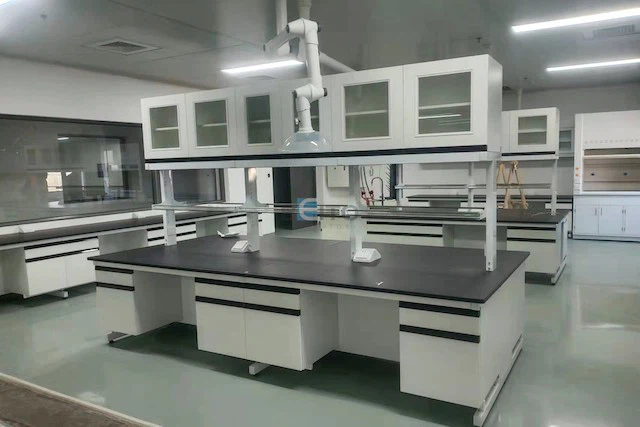
If you're in the market for a custom - designed fume hood for your brewing business, I'd love to have a chat with you. We can discuss your specific needs and come up with a solution that's perfect for you. Don't hesitate to reach out for a consultation and let's start creating the ideal fume hood for your brewing operations.
References
- "Industrial Ventilation: A Manual of Recommended Practice", American Conference of Governmental Industrial Hygienists.
- "Laboratory Ventilation Design Guide", National Research Council.