

Can science lab desks be stacked for storage?
Dec 26, 2025
Can science lab desks be stacked for storage? That's a question I get asked a lot as a supplier of Science Lab Desks. You know, in the lab world, space is always at a premium. Whether it's a small research lab, a bustling school science room, or a large industrial testing facility, finding efficient ways to store equipment and furniture is crucial. So, let's dig into whether stacking those science lab desks is a good idea.
Factors to Consider Before Stacking
Desk Design and Structure
The first thing you gotta think about is the design and structure of the lab desks. Not all desks are built the same, and some are better suited for stacking than others. For instance, desks with a simple, sturdy frame and a flat surface are more likely to stack nicely.

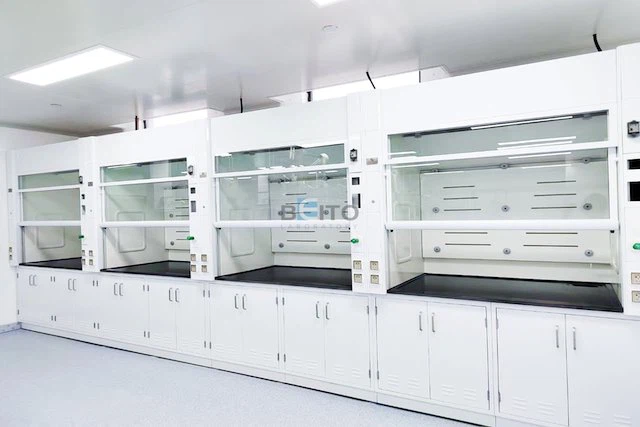
I've been in this business for a while, and I've seen all kinds of lab desks. Some have fancy add - ons like built - in cabinets, sinks, or electrical outlets. These features can make stacking a real hassle. They might get in the way, or you risk damaging them during the stacking process.
On the other hand, a basic Laboratory Desk with a straightforward design can be much easier to stack. It's less likely to have anything that sticks out or gets in the way of other desks.
Material and Durability
The materials used in the construction of the desk also matter a great deal. Lab desks are often made from different materials, such as wood, metal, or Phenolic Resin Table. Phenolic resin is a popular choice because it's durable, resistant to chemicals, and easy to clean.
If you're planning to stack desks, you need to make sure the material can withstand the weight. For example, metal desks are generally pretty strong and can handle the pressure of being stacked. But if you have a wooden desk with a thin top, stacking it might cause the top to warp or crack under the weight.
The Phenolic Table Top is a great option in terms of durability. It can take a lot of abuse and is less likely to show damage when stacked appropriately. However, you still need to be careful not to stack too many desks on top of each other, as this can put excessive stress on the bottom desk.
Safety Concerns
Safety is always the number one priority when it comes to any kind of storage or handling in a lab. Stacking lab desks can create a potential hazard if not done correctly. You need to make sure the stack is stable to prevent it from toppling over.
Before you start stacking, clear the area of any obstacles. This includes cords, tools, or other items that might get in the way or cause the stack to become unbalanced. Also, make sure that the floor surface is level and strong enough to support the weight of the stacked desks.
If the desks are heavy, you might need to use some kind of lifting equipment to stack them safely. And don't forget to wear appropriate safety gear, like gloves, to protect your hands from sharp edges or rough surfaces.
Benefits of Stacking Science Lab Desks
Space - Saving
The most obvious benefit of stacking lab desks is that it saves a ton of space. In a lab, where every square foot counts, being able to stack desks vertically means you can free up valuable floor space. This can be used for other important things, like setting up new experiments, storing additional equipment, or just creating a more open and accessible workspace.
Instead of having desks spread out all over the place, you can neatly stack them in one corner when they're not in use. This can make the lab look more organized and efficient, which is a big plus for both researchers and students.
Easier Inventory Management
When your lab desks are stacked, it's a lot easier to take inventory. You can quickly see how many desks you have, which ones might need some maintenance, and which ones are ready for use. It's much better than having desks scattered throughout the lab, where you might forget about them or lose track of their condition.
Downsides of Stacking Science Lab Desks
Risk of Damage
As I mentioned earlier, stacking lab desks comes with the risk of damaging them. If the desks are not stacked properly, the edges might get scratched, the surfaces could get dented, or the legs could get bent. This damage can reduce the lifespan of the desks and might even make them unsafe to use.
Some desks are also more prone to damage than others. For example, desks with delicate finishes or complex designs are more likely to get harmed during the stacking process. So, you need to be extra careful if you're dealing with these types of desks.
Difficulty in Access
Stacking desks can make it difficult to access them when you need them. If you stack a bunch of desks on top of each other, you have to unstack them one by one to get to the one you need. This can be time - consuming, especially in a busy lab where you need to get things done quickly.
In some cases, it might even require multiple people to help with the unstacking process. This can be a hassle and can disrupt the flow of work in the lab.
Best Practices for Stacking Lab Desks
Clean the Desks First
Before you stack the desks, make sure they're clean. Remove any dirt, debris, or chemicals from the surfaces. This not only helps to prevent damage to the desks but also keeps the lab environment clean.
Use Protective Padding
To reduce the risk of damage, you can use protective padding between the desks. This can be something as simple as a piece of foam or a soft cloth. The padding helps to absorb the shock and prevent scratches or dents.
Stack in a Stable Manner
When stacking the desks, make sure they're aligned properly. Place them on top of each other so that the weight is evenly distributed. You can also use straps or other securing devices to keep the stack stable.
Conclusion
So, can science lab desks be stacked for storage? The answer is yes, but with some important considerations. It can be a great way to save space and manage your inventory, but you need to be careful about the design, material, and safety of the desks.
If you're interested in purchasing high - quality science lab desks that are suitable for stacking, we're here to help. Our Laboratory Desk, Phenolic Resin Table, and Phenolic Table Top products are designed with durability and functionality in mind. Contact us for more information on our products and to discuss your specific lab desk needs.
References
- Laboratory Furniture Design Handbook
- Scientific Equipment Storage and Maintenance Guide