

Can medical lab tables be used for nephrology labs?
Aug 04, 2025
Can medical lab tables be used for nephrology labs? This is a question that many in the medical and laboratory equipment field often ponder. As a supplier of Medical Lab Tables, I am well - versed in the features and applications of these tables, and I'd like to share some insights on this topic.

Understanding the Requirements of Nephrology Labs
Nephrology labs are specialized facilities that focus on the study of the kidneys, including functions, diseases, and related treatments. These labs conduct a wide range of tests, from basic urine analysis to more complex renal function tests and research on kidney diseases. The equipment and furniture in these labs need to meet specific requirements to ensure accurate test results and a safe working environment.
One of the primary requirements is a clean and sterile working surface. Since many of the tests in nephrology labs involve biological samples, any contamination can lead to inaccurate results. The surface of the lab tables should be resistant to chemicals, easy to clean, and non - porous to prevent the growth of bacteria and other microorganisms.
Another important aspect is the organization and storage of equipment and samples. Nephrology labs often use a variety of instruments, such as microscopes, centrifuges, and pipettes, as well as a large number of sample containers. The lab tables should have sufficient space for these items, along with proper storage compartments to keep everything organized.
Features of Medical Lab Tables
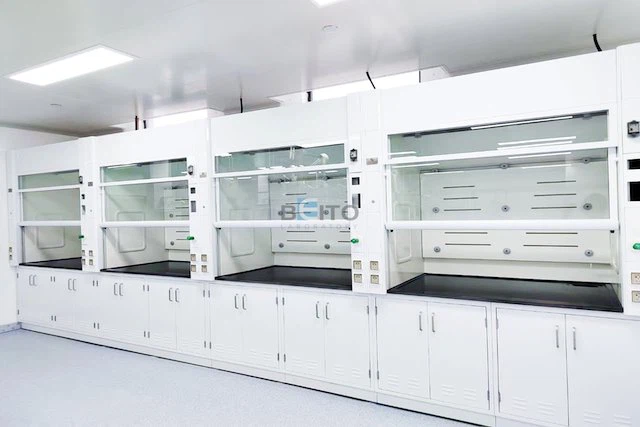
Medical lab tables are designed with a focus on functionality, durability, and safety. They typically have a high - quality work surface that can withstand exposure to various chemicals, including acids, bases, and solvents. For example, some Laboratory Desk models are made with materials like epoxy resin, which offers excellent chemical resistance and is easy to clean.
In terms of organization, medical lab tables often come with built - in drawers, cabinets, and shelves. These storage options can be customized according to the specific needs of the lab, allowing for efficient storage of equipment, supplies, and samples. Some tables also have adjustable heights, which can improve the ergonomics of the workspace and reduce the risk of musculoskeletal disorders among lab personnel.
Suitability of Medical Lab Tables for Nephrology Labs
Based on the requirements of nephrology labs and the features of medical lab tables, it is clear that medical lab tables can be a great fit for these specialized facilities.
Chemical Resistance
The chemical - resistant work surfaces of medical lab tables can handle the chemicals commonly used in nephrology labs. For instance, during urine analysis, various reagents are used, and the table surface should not be damaged by these substances. The epoxy resin or similar materials used in Trespa Lab Benches ensure that the tables can withstand the harsh chemical environment.
Storage and Organization
The storage features of medical lab tables are well - suited for the needs of nephrology labs. The built - in drawers and cabinets can be used to store different types of equipment, such as pipettes and test tubes. The shelves can hold reference materials and manuals. Moreover, the customizable storage options allow nephrology labs to organize their workspace in a way that maximizes efficiency.
Ergonomics
Nephrology lab technicians often spend long hours at their workstations. The adjustable height feature of medical lab tables can help them find a comfortable working position, reducing fatigue and the risk of work - related injuries. This is especially important when conducting detailed and time - consuming analyses.
Customization for Nephrology Labs
While standard medical lab tables offer many benefits, customization can further enhance their suitability for nephrology labs. For example, additional electrical outlets can be installed to power the various instruments used in the lab, such as microscopes and data loggers. Specialized lighting can also be added to improve visibility during sample analysis.
In terms of the work surface, different textures or finishes can be selected based on the specific requirements of the nephrology lab. For example, a smooth finish may be preferred for easy cleaning, while a slightly textured surface may provide better grip for handling small instruments.
Cost - Effectiveness
Using medical lab tables in nephrology labs can also be cost - effective. Instead of investing in specialized, one - off furniture, medical lab tables offer a more versatile solution that can be used across different departments or for various types of tests. This reduces the overall cost of equipping the lab and also simplifies the procurement process.
Conclusion
In conclusion, medical lab tables can indeed be used for nephrology labs. Their chemical resistance, storage capabilities, ergonomic design, and potential for customization make them a suitable choice for these specialized facilities. As a supplier of Medical Lab Tables, I am confident that our products can meet the unique needs of nephrology labs and contribute to a more efficient and productive working environment.
If you are in charge of equipping a nephrology lab or are looking to upgrade your existing facilities, I encourage you to consider our medical lab tables. We offer a wide range of options that can be customized to your specific requirements. Contact us to start a discussion about how we can help you create the ideal workspace for your nephrology lab.
References
- Brown, A. J., & Smith, B. L. (2018). Laboratory Design and Equipment Selection for Specialized Medical Testing. Journal of Medical Laboratory Science.
- Johnson, C. M. (2020). Ergonomics in the Medical Laboratory. International Journal of Workplace Health and Safety.
- White, D. E. (2019). Chemical Resistance of Laboratory Work Surfaces. Laboratory Equipment Review.