

Can a fume hood filter be used in a manufacturing facility?
Jun 13, 2025
Can a fume hood filter be used in a manufacturing facility?
As a supplier of fume hood filters, I often get asked whether our filters can be used in manufacturing facilities. The short answer is yes, but there are several factors to consider to ensure optimal performance and safety.
Understanding Fume Hood Filters
Before delving into their suitability for manufacturing facilities, let's first understand what fume hood filters are. Fume hood filters are designed to capture and remove harmful contaminants, such as chemicals, dust, and fumes, from the air within a fume hood. They play a crucial role in protecting laboratory workers and the environment from exposure to hazardous substances.
There are different types of fume hood filters, including activated carbon filters, HEPA filters, and combination filters. Activated carbon filters are effective at removing organic vapors and odors, while HEPA filters are designed to capture particles as small as 0.3 microns, including dust, pollen, and bacteria. Combination filters combine the benefits of both activated carbon and HEPA filters, providing comprehensive protection against a wide range of contaminants.
Suitability for Manufacturing Facilities
Manufacturing facilities often generate a variety of contaminants, including chemicals, dust, and fumes, which can pose a significant risk to the health and safety of workers. Fume hood filters can be an effective solution for removing these contaminants from the air, providing a cleaner and safer working environment.
However, the suitability of fume hood filters for manufacturing facilities depends on several factors, including the type and volume of contaminants generated, the size and layout of the facility, and the specific requirements of the manufacturing process.
Type and Volume of Contaminants
The type and volume of contaminants generated in a manufacturing facility will determine the type of fume hood filter required. For example, if the facility generates a large volume of organic vapors, an activated carbon filter may be the most appropriate choice. On the other hand, if the facility generates a significant amount of dust and particulate matter, a HEPA filter may be more suitable.
It's important to conduct a thorough assessment of the contaminants generated in the facility to determine the most effective filtration solution. This may involve working with a professional air quality consultant or conducting air sampling tests to identify the specific contaminants present.
Size and Layout of the Facility
The size and layout of the manufacturing facility will also affect the effectiveness of fume hood filters. Larger facilities may require multiple fume hoods and filters to ensure adequate ventilation and filtration. Additionally, the layout of the facility, including the location of workstations and equipment, can impact the flow of air and the distribution of contaminants.
When installing fume hoods and filters in a manufacturing facility, it's important to consider the overall layout and design of the space to ensure optimal performance. This may involve working with an experienced ventilation engineer to develop a customized ventilation system that meets the specific needs of the facility.
Specific Requirements of the Manufacturing Process
The specific requirements of the manufacturing process will also play a role in determining the suitability of fume hood filters. Some manufacturing processes may require a higher level of filtration or ventilation than others, depending on the type and volume of contaminants generated.
For example, a manufacturing process that involves the use of volatile organic compounds (VOCs) may require a more advanced filtration system to ensure that the air is properly cleaned and safe for workers to breathe. Additionally, some manufacturing processes may require the use of specialized fume hoods and filters to meet specific regulatory requirements.
Benefits of Using Fume Hood Filters in Manufacturing Facilities
There are several benefits to using fume hood filters in manufacturing facilities, including:
Improved Air Quality
Fume hood filters can help to improve the air quality in manufacturing facilities by removing harmful contaminants from the air. This can reduce the risk of respiratory problems, allergies, and other health issues among workers.
Compliance with Regulations
Many manufacturing facilities are subject to strict environmental and safety regulations, which require them to maintain a certain level of air quality. Using fume hood filters can help these facilities to comply with these regulations and avoid costly fines and penalties.
Protection of Equipment
Harmful contaminants in the air can also damage equipment and machinery in manufacturing facilities. Fume hood filters can help to protect this equipment by removing contaminants before they can cause damage.
Increased Productivity
A cleaner and safer working environment can lead to increased productivity among workers. By reducing the risk of health problems and equipment damage, fume hood filters can help to keep workers healthy and productive.
Types of Fume Hoods Suitable for Manufacturing Facilities
There are several types of fume hoods that are suitable for manufacturing facilities, including:
Small Fume Hoods
Small fume hoods are ideal for manufacturing facilities with limited space or for applications that require a smaller, more compact fume hood. These fume hoods are typically used for tasks such as chemical analysis, sample preparation, and small-scale manufacturing processes.
Chemistry Fume Hood
Chemistry fume hoods are designed specifically for use in chemical laboratories and manufacturing facilities. These fume hoods are typically larger and more powerful than small fume hoods, and they are equipped with advanced filtration systems to remove a wide range of chemicals and contaminants from the air.
Fume Hood Uses in Laboratory
Fume hoods can also be used in manufacturing facilities for a variety of laboratory applications, such as testing and quality control. These fume hoods are typically designed to provide a high level of ventilation and filtration to ensure the safety of workers and the accuracy of test results.
Considerations When Choosing Fume Hood Filters for Manufacturing Facilities
When choosing fume hood filters for a manufacturing facility, there are several factors to consider, including:
Filter Efficiency
The efficiency of the fume hood filter is an important consideration when choosing a filtration system. The filter efficiency is typically measured by the Minimum Efficiency Reporting Value (MERV) or the High-Efficiency Particulate Air (HEPA) rating. The higher the MERV or HEPA rating, the more effective the filter will be at removing contaminants from the air.
Filter Capacity
The filter capacity is another important consideration when choosing a fume hood filter. The filter capacity refers to the amount of contaminants that the filter can hold before it needs to be replaced. A filter with a higher capacity will require less frequent replacement, which can save time and money in the long run.
Filter Lifespan
The lifespan of the fume hood filter is also an important consideration. The filter lifespan will depend on several factors, including the type and volume of contaminants generated, the frequency of use, and the maintenance and cleaning schedule. It's important to choose a filter with a long lifespan to minimize the need for frequent replacement.
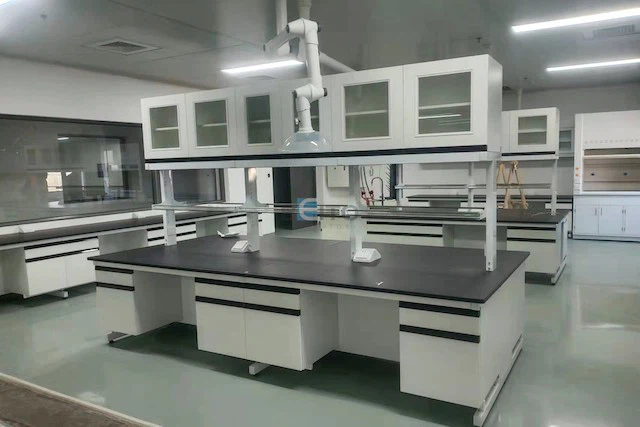

Compatibility with Fume Hood
When choosing a fume hood filter, it's important to ensure that it is compatible with the fume hood. Different fume hoods may require different types of filters, and using an incompatible filter can reduce the effectiveness of the filtration system and increase the risk of contamination.
Maintenance and Replacement of Fume Hood Filters
Proper maintenance and replacement of fume hood filters are essential to ensure optimal performance and safety. Here are some tips for maintaining and replacing fume hood filters:
Regular Inspection
Regularly inspect the fume hood filters to ensure that they are clean and in good condition. Look for signs of damage, such as tears or holes, and replace the filters if necessary.
Cleaning
Clean the fume hood filters regularly to remove any dirt, dust, or contaminants that may have accumulated on the surface. Follow the manufacturer's instructions for cleaning the filters, and use only approved cleaning agents.
Replacement
Replace the fume hood filters according to the manufacturer's recommendations. The frequency of replacement will depend on several factors, including the type and volume of contaminants generated, the frequency of use, and the maintenance and cleaning schedule.
Record Keeping
Keep a record of the maintenance and replacement of fume hood filters. This can help you to track the performance of the filtration system and ensure that the filters are replaced at the appropriate intervals.
Conclusion
In conclusion, fume hood filters can be an effective solution for removing harmful contaminants from the air in manufacturing facilities. However, the suitability of fume hood filters for a particular facility will depend on several factors, including the type and volume of contaminants generated, the size and layout of the facility, and the specific requirements of the manufacturing process.
When choosing fume hood filters for a manufacturing facility, it's important to consider the filter efficiency, capacity, lifespan, and compatibility with the fume hood. Additionally, proper maintenance and replacement of the filters are essential to ensure optimal performance and safety.
If you're considering using fume hood filters in your manufacturing facility, I encourage you to contact us to learn more about our products and services. Our team of experts can help you to choose the right filtration system for your specific needs and provide you with the support and guidance you need to ensure a successful installation and operation.
References
- American Conference of Governmental Industrial Hygienists (ACGIH). (2023). Threshold Limit Values for Chemical Substances and Physical Agents and Biological Exposure Indices.
- Occupational Safety and Health Administration (OSHA). (2023). Air Contaminants Standard.
- National Fire Protection Association (NFPA). (2023). Standard for Ventilation Control and Fire Protection of Commercial Cooking Operations.