


Chemistry Fume Hood
The purpose of a chemical fume hood is to prevent the release of hazardous substances into the general laboratory space by controlling and then exhausting hazardous and/or odorous chemicals. In the event of an accidental spill, the fume hood will contain the spilled chemicals and exhaust the fumes away from the user and laboratory zone.
Description
What is Chemistry Fume Hood
The purpose of a chemical fume hood is to prevent the release of hazardous substances into the general laboratory space by controlling and then exhausting hazardous and/or odorous chemicals. In the event of an accidental spill, the fume hood will contain the spilled chemicals and exhaust the fumes away from the user and laboratory zone.
Why Choose Us
State-of-the-art Technology
We use the latest technology and tools to deliver high quality services. Our team is well-versed in the latest trends and advancements in technology and uses them to provide the best results.
Competitive Pricing
We offer competitive pricing for our services without compromising on quality. Our prices are transparent, and we do not believe in hidden charges or fees.
Customer Satisfaction
We are committed to delivering high quality services that exceed our clients' expectations. We strive to ensure that our clients are satisfied with our services and work closely with them to ensure their needs are met.
One-stop service
We promise to provide you with the fastest reply, the best price, the best quality, and the most complete after-sales service.



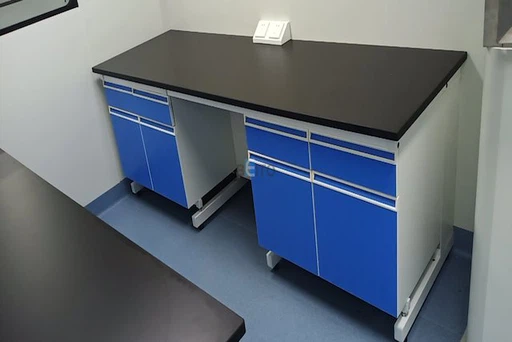
How a Chemistry Fume Hood Works
A Chemistry Fume Hood is a ventilated enclosure in which gases, vapors and fumes are captured and removed from the work area. An exhaust fan situated on the top of the laboratory building pulls air and airborne contaminants through connected ductwork and exhausts them to the atmosphere.
The typical fume hood found in Princeton University laboratories is equipped with a movable front sash and an interior baffle. Depending on its design, the sash may move vertically, horizontally or a combination of the two and provides some protection to the hood user by acting as a barrier between the worker and the experiment.
The slots and baffles within the hood direct the air and, in many hoods, can be adjusted to allow the most even flow. It is important to prevent the baffles from becoming blocked, by excessive material storage or equipment, since this significantly affects the exhaust path within the hood and as a result, the efficiency of hood capture.
The beveled frame around the hood face, called the airfoil, allows for even air flow into the hood by eliminating sharp curves to reduce turbulence.
Constant volume – where the exhaust flowrate or quantity of air pulled through the hood is constant. In this configuration, when the sash is lowered and the cross-sectional area of the hood opening decreases, the velocity of airflow (face velocity) through the hood increases proportionally. Thus, the velocity of air at the hood face is increased with the lowering of the sash.
Variable air volume (VAV) - where the exhaust flowrate or quantity of air pulled through the hood varies as the sash is raised or lowered in order to maintain a constant face velocity. Therefore, when the sash is lowered and the cross-sectional area of the hood opening decreases, the velocity of air flow (face velocity) through the hood remains constant, reducing the total air volume exhausted.
How To Use A Chemistry Fume Hood
Fume hoods are designed to keep laboratory professionals safe while working with hazardous materials. They filter the air to prevent the inhalation of toxic particles that can lodge in the lungs and cause serious health implications.
For fume hoods to provide protection, users must follow basic safety practices. No matter how well a fume hood is designed, it won't be effective unless proper laboratory safety measures are taken.
Before Using A Fume Hood
Familiarize yourself with the chemicals. When working with hazardous materials, you should make sure you know the potential safety hazards. Read the Safety Data Sheet (SDS) and follow the safety precautions.
Note the nearest exit, emergency eyewash, and fire extinguisher. Make sure the pathways to these areas are unobstructed.
Check the fume hood certification sticker. Fume hoods should be inspected once a year. The certification sticker lists when the hood was last tested and its average face velocity. The average face velocity ranges from 100 fpm to 120 fpm. Typically, general-use fume hoods are set at 115 fpm.
Ensure the exhaust is operating properly. A fume hood's main job is to exhaust hazardous vapors and fumes out of the area.
Check the baffles to make sure they are not obstructed.
If the fume hood has an airflow monitor, check the monitor's status to ensure proper functioning. If you ever suspect changes in airflow while working, take a break to check things out.
Assure all sashes, interior baffles, and panels are in place.
- Vertical Rising Sash Hoods: Locate necessary equipment and materials at least 6 inches within the hood and then lower the vertical sash to 18 inches.
- Horizontal Sliding Sash Hoods: Locate necessary equipment and materials at least 6 inches within the hood. Check that horizontal sashes are in place. Four-foot hoods need one sash and six-foot hoods need two sashes. Position the sliding sash between the operator and work in the hood.
Wear appropriate protective gear. You may need additional safety gear depending on what materials you're using. For example, splash goggles, gloves, and a full face shield may be needed for acid testing. In the case of unplanned spills or fires, users will be protected from serious harm if they are wearing the proper safety gear.
Properly Using A Fume Hood
All procedures that include the use of volatile materials should take place inside of a fume hood. Flammable solvents, corrosive acids, corrosive bases, combustible or potentially explosive concentrations of gases, irritating vapors or dust, asphyxiating gases, or open sources of volatile radionuclides are all examples of materials that must be used inside of a fume hood.
Place chemicals at least six inches inside the hood. In the case of an emergency, you'll need to be able to close the sash quickly. Make sure that nothing is ever blocking this area and that only the chemicals you need for the procedure are inside of the hood. Additional materials will only increase the hazard. Also, placing chemicals at least six inches inside the hood will limit the potential for fumes to escape into the laboratory.
Keep the sash at 18 inches or less from the working surface while using the hood to ensure maximum flow rate and to protect yourself from potential chemical splashes or explosions. The sash works as a safety shield in the case of an explosion. The glass is designed to spider instead of shatter. The sash should be closed when you are not working in the hood.
Keep your face outside of the fume hood. Unless you're using a walk-in fume hood, your hands should be the only part of your body inside of the hood. The sash acts as a barrier and is there for protection while completing hazardous work.
Place large equipment on blocks. This will allow air to flow beneath it and enable the fume hood to do its job.
Do not disturb the airflow. Using exterior fans near the fume hood opening may cause airflow disturbances, which will alter the effectiveness of the fume hood. Likewise, walking near the hood opening or making quick motions in or out of the hood may have a similar effect.
Rapid movements can create sufficient turbulence to disrupt the inward flow of air into the hood and may result in worker exposure.
After Using A Fume Hood
Shut the sash. It is necessary to have the fume hood open when working inside of it, but when not in use, keep it closed. When the sash is closed, energy will be conserved.
Place hazardous materials in a closed container. To avoid releasing hazardous materials into the laboratory air, place materials in a closed container before removing them from the hood.
A Chemistry Fume Hood offers a safe way to contain and ventilate hazardous fumes. Wet chemical processes often call for the use of a fume hood. Industrial chemical fume hoods are used in a variety of applications, from laboratory chemical research to full-scale manufacturing with wet chemical processes like semiconductor wafer processing, passivation, and part etching.
Typical construction materials for industrial fume hoods depend on the chemical handling properties required for the application, but commonly can include: polypropylene, PVDF, Teflon® / PFA, or ECTFE (HALAR®). Lab fume hoods can be as simple as polypropylene polymer-based tanks with an enclosure to contain and ventilate vapors from the manufacturing or lab process.
Below are a few examples of systems built for customers in various applications and industries like: semiconductor, medical device, and aerospace.
This fume hood is constructed of polypropylene. Air channels built into the enclosure connect to customer-supplied blowers and ventilation to process fumes through facility exhaust.
Our well-ventilated process enclosures protect machine operators and your manufacturing floor from chemical fumes.
System includes large integrated PVDF tanks with water, air and nitrogen guns and magnehelic pressure gauge for ensuring proper ventilation requirements.
System includes rear tank venting exhausted from top of system, with integrated rectifiers for electropolishing and pumps for electrolyte circulation. Example process steps for this fume hood include:
Surface Preparation: Clean and Rinse
Electropolishing
Boil-Off Dead Rinse – Removes the drag-out electrolyte from the workpiece and reduces electrolyte waste
Nitric Acid Neutralization
Final Rinse.
Common Applications for Industrial Fume Hoods
Medical device stent polishing and deburring of stainless steel and cobalt chrome
Industrial, aerospace and medical device stainless steel passivation per ASTM A967
Printed circuit board and silicon semiconductor photoresist stripping using chemistry like ACT970 etch residue remover and others
Common Configurations
Since fume hoods are made from highly customizable materials like polypropylene and PVDF, as well as Teflon® / PFA, and ECTFE (HALAR®), Best Technology is able to easily build a fume hood to fit customer-specific wet chemical process and lab requirements.
Why is it Important to Work in A Fume Hood?
Fume hoods, or fume cupboards, work to ensure the safety of lab personnel while working with hazardous materials by continuously delivering airflow away from the user. When used properly, fume hoods can prevent users and the environment from toxic gases, explosions, and spills.
Fume hoods have proper ventilation
Breathing in harmful chemicals can cause toxins to lodge in your lungs or enter the bloodstream. While inhaling vapors may only result in dizziness at first, over several years it can cause liver damage. By design, a fume hood provides a barrier between lab workers and toxic fumes by filtering the air inside the laboratory.
Fume hoods can either be ducted or ductless.
Ducted fume hoods remove the air from the laboratory and disperse it into the atmosphere outside. While many ducted hoods employ constant air volume (CAV) systems, variable air volume (VAV) systems are a new generation of hoods that reduce energy costs. VAV systems reduce the volume of the air exhausted as the fume hood sash is closed.
Ductless fume hoods recirculate the air by filtering it before redistributing it back into the laboratory. Different filters are required for different materials, so ductless hoods should only be used when the material is known and doesn't change.
Fume hoods are designed for explosions
While they aren't designed to handle every incident, a properly-installed fume hood will provide protection from small explosions and fires.
The sash acts as a shield in the case of an explosion or fire. It is designed to withstand impact, so in the case of an explosion, the glass will "spider" instead of shatter.
Shattered fume hood glass
The sash should always be shut when the hood is not in use. If an explosion occurs when the sash is open, the glass and contents inside the hood will be spread around the laboratory, potentially harming other lab personnel.
Fume hoods control and contain spills
Spill containment lips help to contain minor liquid spills. These lips are several inches wide and act as catch basins for spills or breaks.
These "troughs" are the new standard for fume hoods, but most older hoods don't come with this feature. However, additional spill containment products can be purchased for older hoods.

Fume hood sash arrowsConstant air volume hoods
The constant air volume (CAV) fume hood exhausts the same amount of air all the time, regardless of sash position. As the sash is lowered and raised, the velocity at the face of the hood changes. EH&S tests all hoods regularly and marks the opening that gives the correct face velocity on constant air volume hoods.
Variable air volume hoods
Some newer models, called variable air volume (VAV) hoods, modulate air flow based on sash height and maintain 100 feet per minute face velocity at all sash heights. EH&S tests VAV hoods, but does not mark the sash height since it's always 100 feet per minute.
VAV fume hood monitor in standard operation modeVAV fume hoods are equipped with a monitor that indicates whether the hood is in "standard operation" or "standby operation" mode. The fume hood monitor also has an "emergency purge" button, which increases airflow through the hood to maximum and can be used to quickly remove air contaminates from the lab.
Fume Hood Key Functions Use Cases
A fume hood (also known as a fume cupboard or fume closet) is a laboratory local ventilation device. By providing ventilation, fume hoods limit the possibility of contamination in a confined laboratory space. Fume hoods prevent contamination by drawing air away from users and the laboratory environment.
Whilst ventilation is the primary purpose, fume hoods also serve many secondary functions like protection against the chemical spills, reactions, and fire mishaps. In this blog, let's explore the various purposes and functions of the fume hoods.
Capture the Harmful Fumes in the Laboratory
Many experiments and chemical reactions release hazardous gases, vapours, or fumes in the labs. These fumes can be fatal and lethal inside the chemical and biological labs. The primary purpose of the laboratory fume hood is elimination of exposure to volatile liquids, dust, and mist.
Stop the Fumes from Spreading Further
The fume hoods also serve the purpose of preventing the fumes from the experiments escaping back into the laboratory environment. This way, we do not endanger the lives of researchers or scientists by immediate or prolonged exposure.
Prevents Spills and Runaways
Another important use of the fume hoods is to act as a barrier and prevent the spills of harmful chemicals and avoid unnecessary reactions. Prevention of spills and runways is critical to ensuring a workplace free from hazardous incidents such as explosions and fires.
A Radioactive Barrier for the Humans
We use special purpose radioisotope fume hoods for Beta and Gamma radiation environments. Besides the general characteristics of a bench-top fume hood, radioisotope fume hoods have the work surface and interior lining with 304 stainless steel with coved seamless welded seams for easy cleaning and decontamination.
Prevent Corrosion of the Laboratory and Accessories
Fume hoods help prevent corrosion in the laboratory. Special cases, such as the ones involving perchloric acid-based experiments, perchloric acid fume hoods are used with non-reactive and corrosion-resistant material extended all the way through the exhaust system.
Having understood the key uses of fume hoods, let's also remember that for the fume hood to provide adequate protection, regular inspection and maintenance are required. When properly maintained, fume hoods help keep the lab residents safe. The users must adhere to the manufacturers' safety suggestions and recommended maintenance schedule.
How Do Under Fume Hood Safety Cabinets Keep Labs Safe?
Under fume hood chemical safety cabinets increase security
Take advantage of the security features on under fume hood laboratory cabinets. Their self-latching feature ensures that the cabinet seals in the case of a fire. But you can also use the cylinder lock and key set or a padlock to limit access to the chemicals to authorized personnel only.
Under fume hood chemical safety cabinets eliminate static electricity ignition sources
Under fume hood laboratory cabinets should be electrically bonded to the chemical fume hood. Static electricity may cause fires and explosions. Electrical bonding creates an electrical path between the fume hood and the safety cabinet. This prevents static electricity.
Under fume hood chemical safety cabinets provide safe storage
Keeping bottles of chemicals in a fume hood is a safety risk. The vapors from unsealed bottles may react with other chemicals in the fume hood and create a risk of explosion. In addition, too many chemical bottles in a fume hood interferes with the airflow. Under fume hood laboratory cabinets provide safe storage space for unused chemicals.
Under fume hood chemical safety cabinets improve ergonomics
Good laboratory ergonomics helps prevent unintended spillage and dropping of lab equipment. When a lab worker is stretching to reach their equipment in a chemical fume hood, there is a high risk of accident and injury. All under fume hood safety cabinets feature a 3-inch toe-kick. This allows lab workers to stand right in front of the chemical fume hood.
Why Hume Hoods are Used in the Laboratory?
Laboratory Fume Hood is an enclosed device, with an exception for exhaust purposes, when necessary, the three sides, the top and bottom sides have a mechanical ventilator that draws air inward. For the operation of this device, lab workers need to insert their arms and hands. This means of operation controls the exposure to hazardous substances like chemicals or biological agents from moving out of the enclosed area.
What is the purpose of the fume hoods?
Using the chemical fume hoods correctly will protect the lab workers from various health risks. The hood can contain vapor, dust particles, gases and any fume arising within the hood. The air flows inside the hood add to the laboratory ventilation and expels through the laboratory exhaust system.
Workers are protected by the clear sliding window sash provided with aerosols that ward injury
from sample splashes, fire or experimental explosion occurring within the hood.
Safety checks for using while using the Hoods
Lab workers are expected to use PPE (personal protection equipment) when dealing with chemicals.
When working on the Laboratory Fume Hoods, check if the fume head monitor is working properly. Check if the visual and audio components are displaying the correct indicators. You must observe if the alarm mode immediately terminates all operations and do not work until the problem has been fully addressed.
Ensure that the air is flowing into the hood when the hood is in use.
How can you check the airflow in the hood?
A strip of tissue should be taped into the sash, check if it reacts to the air current. The baffles should be kept at the back of the hood so that it is not disturbed when at work. The airfoil should be kept in place along the front bottom edge. If the position is altered, the performance of the airflow in the fume head can be seriously impacted.
Electric codes and hoses can obstruct the easy functioning of the airfoil and sash. Keep the hoods clutter-free and avoid unnecessary dumping. Keeping enough breathing space within the hoods will allow airflow around the experiments. You must ensure that no cross-draft air circulation is happening around the hood. The spent, exhaled air is expelled from the safe air zone.
What causes air currents?
Ventilation condition inside the room
Doors and windows are open allowing air passage.
People walking past the fume hood.
If arm and body movement when working on the hood is rapid.
Modifications in the fume hood and exhaust system can cause hazardous gases to escape, this must be done in controlled conditions.
The sash must be closed at all times to maintain safety and conserve energy. A Fume hood draws a huge amount of energy that can be equal to three houses, therefore to ensure that no extra energy is lost you must keep the hood closed to utilize and conserve energy.
Apart from setup, the sash arrow should not be raised above the efficient operating level.
In a horizontal sliding pane, the sash must be positioned at a lower position within a small open area.
The work area should be 6 inches inside the hood to capture contaminants better. When using perchloric acid the wash down hood must be used. Hoods must not be used to evaporate solvent spills that are not required. The spills must be cleaned immediately and the solvents should be adequately disposed of.
Our Factory
Beito Laboratory Equipment Co., Ltd. is a laboratory furniture and laboratory equipment manufacturer integrating R & D, design, manufacturing and sales.
We have a steel wood and PP workshop covering an area of 3000m2, a steel workshop covering an area of 3500 m2, and a complete set of spraying assembly lines. It is a large-scale laboratory equipment manufacturing enterprise in China,focusing on the field of high-end laboratory engineering.

Our Certificate
We have mechanical and electrical installation, decoration and laboratory furniture sales, all of which have passed the ISO9001 quality management system certification, ISO14001 environment management system certification and OHSAS18001 occupational health and safety management system certification. The above personnel and qualifications ensure the company's ability to deliver domestic leading and world-class laboratories to customers.

FAQ
Hot Tags: chemistry fume hood, China chemistry fume hood manufacturers, suppliers, factory, Fume Hood, Fume Hood Design, Fume Chamber in Chemistry Laboratory, Fume Hood Exhaust Fan, Portable Fumehood


