

Can a fume hood be used for photo - chemical reactions?
Sep 15, 2025
As a supplier of fume hoods, I often encounter inquiries from customers about the suitability of our products for various types of chemical reactions, including photo - chemical reactions. In this blog post, I will explore whether a fume hood can be used for photo - chemical reactions, considering factors such as safety, functionality, and design.
Understanding Photo - chemical Reactions
Photo - chemical reactions are chemical reactions initiated by the absorption of light. These reactions are widely used in various fields, such as organic synthesis, polymer chemistry, and environmental science. In a photo - chemical reaction, light energy is used to excite molecules, leading to the formation of reactive intermediates and subsequent chemical transformations.
One of the key characteristics of photo - chemical reactions is the need for a light source. Depending on the reaction requirements, different types of light sources may be used, such as ultraviolet (UV) light, visible light, or infrared (IR) light. The intensity, wavelength, and duration of the light exposure can significantly affect the reaction rate and selectivity.
Safety Considerations
Safety is of utmost importance when conducting any chemical reaction, especially photo - chemical reactions. Photo - chemical reactions often involve the use of reactive chemicals and high - energy light sources, which can pose potential hazards to the operator and the environment.
Chemical Hazards
Many photo - chemical reactions use volatile organic compounds (VOCs), strong acids, bases, or other hazardous chemicals. These chemicals can release toxic fumes, vapors, or aerosols during the reaction process. A fume hood is designed to capture and exhaust these hazardous substances, protecting the operator from inhalation exposure.
Light Hazards
High - energy light sources, such as UV lamps, can cause skin burns, eye damage, and even cancer. The fume hood should provide adequate shielding to prevent direct exposure to the light source. Additionally, the materials used in the fume hood should be resistant to the effects of light, such as discoloration, degradation, or embrittlement.
Functionality of Fume Hoods for Photo - chemical Reactions
Ventilation
The primary function of a fume hood is to provide ventilation to remove hazardous fumes and vapors from the workspace. For photo - chemical reactions, the ventilation system should be able to handle the specific requirements of the reaction, such as the type and volume of chemicals used, the rate of gas evolution, and the presence of particulate matter.
A well - designed fume hood should have a sufficient air flow rate to ensure effective capture and removal of hazardous substances. The air flow pattern should be optimized to prevent the accumulation of fumes and vapors inside the hood. Fume Hood Design provides detailed information on the design principles of fume hoods to ensure proper ventilation.
Lighting
In addition to ventilation, a fume hood used for photo - chemical reactions should have appropriate lighting. The lighting should be able to provide uniform illumination across the reaction area without interfering with the photo - chemical reaction. LED lights are often preferred for photo - chemical reactions because they can be selected to emit light at specific wavelengths and have a long lifespan.

Workspace
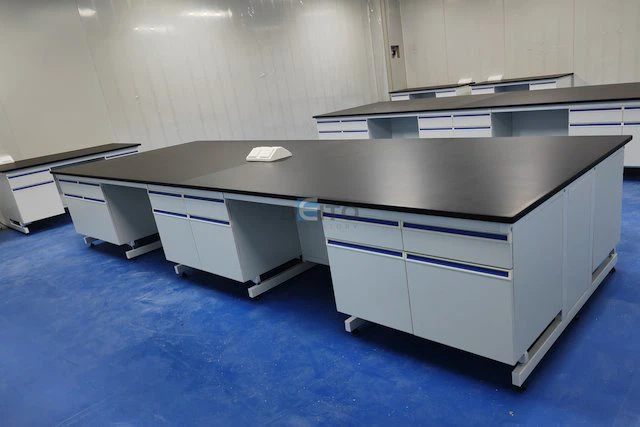
The workspace inside the fume hood should be large enough to accommodate the reaction apparatus, light source, and other equipment. It should also be easy to clean and maintain to prevent the accumulation of chemicals and contaminants.
Design Considerations
Material Selection
The materials used in the construction of the fume hood should be compatible with the chemicals and light sources used in the photo - chemical reactions. For example, the interior surfaces of the fume hood should be made of materials that are resistant to corrosion, UV radiation, and chemical attack. Stainless steel, polypropylene, and epoxy - coated steel are commonly used materials for fume hoods.
Shielding
To protect the operator from the harmful effects of light, the fume hood should be equipped with appropriate shielding. This can include UV - resistant glass windows, opaque panels, or other types of light - blocking materials. The shielding should be designed to allow for easy observation of the reaction while providing maximum protection.
Electrical Safety
Since photo - chemical reactions often involve the use of electrical equipment, such as light sources and stirrers, the fume hood should have proper electrical safety features. This includes grounding, over - current protection, and electrical insulation to prevent electrical shocks and fires.
Cost Considerations
The cost of a fume hood can vary depending on its size, design, features, and materials. When considering a fume hood for photo - chemical reactions, it is important to balance the cost with the performance and safety requirements. Cost Of Fume Hood provides a detailed analysis of the factors that affect the cost of fume hoods.
In general, fume hoods with advanced features, such as high - performance ventilation systems, specialized lighting, and enhanced shielding, will be more expensive. However, these features can provide better protection and performance, which may be worth the additional cost in the long run.
Conclusion
In conclusion, a fume hood can be used for photo - chemical reactions, provided that it is properly designed, installed, and maintained to meet the specific requirements of the reaction. The fume hood should provide effective ventilation, lighting, and shielding to ensure the safety of the operator and the environment. When selecting a fume hood for photo - chemical reactions, it is important to consider factors such as chemical hazards, light hazards, ventilation requirements, lighting needs, workspace size, material selection, and cost.
As a fume hood supplier, we offer a wide range of Chemistry Fume Hood products that can be customized to meet the specific needs of photo - chemical reactions. Our fume hoods are designed and manufactured to the highest standards of quality and safety, ensuring reliable performance and long - term durability.
If you are interested in purchasing a fume hood for your photo - chemical reactions, please feel free to contact us for more information. Our team of experts will be happy to assist you in selecting the right fume hood for your application and provide you with a detailed quote.
References
- "Principles of Chemical Safety in the Laboratory" by Chemical Safety Board.
- "Fume Hood Design and Operation" by American National Standards Institute.
- "Photo - chemical Reaction Kinetics" by John Wiley & Sons.