


Metal Laboratory Table
These materials offer high levels of strength and stability while also resisting chemical damage. Laboratories often conduct experiments with hazardous materials that may pose hazards to users or the environment. These risks can be minimized by using this product.
Description
What is Metal Laboratory Table
The Metal Laboratory Table is important pieces of furniture that have a major impact on laboratory experiments. This type of table is durable, corrosion resistant and easy to clean. The material it uses can vary, but most commonly, they are made of stainless steel or another metal such as copper or aluminum. These materials offer high levels of strength and stability while also resisting chemical damage. Laboratories often conduct experiments with hazardous materials that may pose hazards to users or the environment. These risks can be minimized by using this product.
Why Choose Us
State-of-the-art Technology
We use the latest technology and tools to deliver high quality services. Our team is well-versed in the latest trends and advancements in technology and uses them to provide the best results.
Competitive Pricing
We offer competitive pricing for our services without compromising on quality. Our prices are transparent, and we do not believe in hidden charges or fees.
Customer Satisfaction
We are committed to delivering high quality services that exceed our clients' expectations. We strive to ensure that our clients are satisfied with our services and work closely with them to ensure their needs are met.
One-stop service
We promise to provide you with the fastest reply, the best price, the best quality, and the most complete after-sales service.


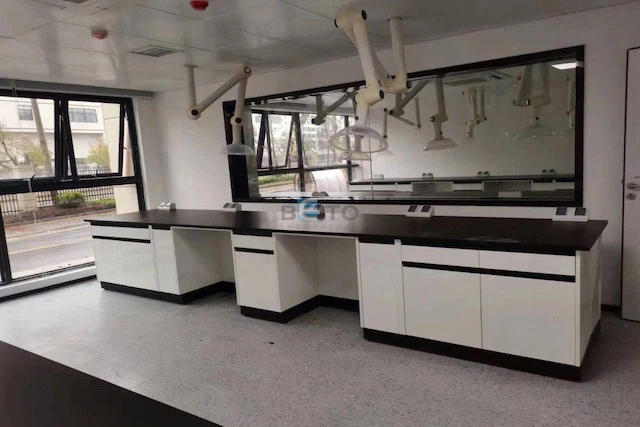


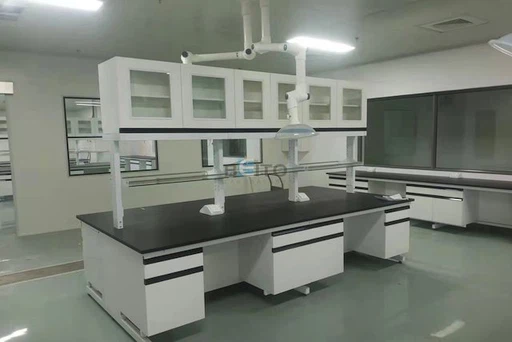


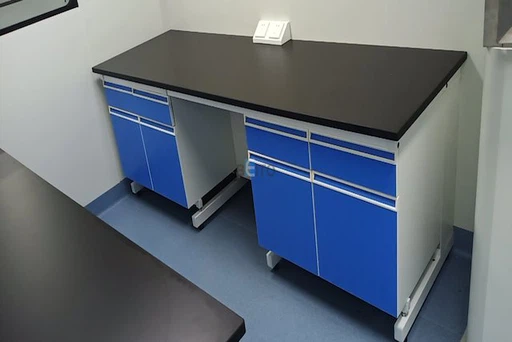
Sterile and Hygienic: More important than ever before. Metal lab furniture, such as stainless steel, is easier to clean and resistant to bacteria. Common industry uses are in healthcare, operating rooms and the food and beverage industry.
Heat and Fire Resistant: In laboratories where explosion or combustion are a risk, metal lab furniture is ideal because of its high resistance to heat. Generally, lab storage cabinets built to code are able to withstand a degree of high heat for a period of time. Wood and metal have different code requirements.
Low Maintenance: Metal is easier to clean, and in cases, non-porous. Most commercial cleaners can be used on metal, unlike on wood finishes.
Longevity: Metal lab furniture is naturally resistant to chemical corrosion and surface abrasions. As a result, furniture longevity is significantly improved over other material types.
Flexibility: Lab layout and use might change over time. Metal furniture, such as casework and tables, can be fixed or modular. These options provide much greater decision making and flexibility.
Feature of Metal Laboratory Table
Its sturdy construction of Metal Laboratory Table ensures durability and long-term use. The metal frame is corrosion resistant and ideal for handling a wide variety of chemicals and substances commonly found in laboratories. Plus, the smooth, flat surface of the table is easy to clean and prevents any buildup of contamination or residue. Another notable feature of it is its height adjustable. This allows researchers of different heights to work comfortably, improving concentration and accuracy during experiments. And the underside of the table often includes shelves or storage compartments that provide ample space to organize and access equipment, samples, and other supplies. Our products are designed with safety in mind. The materials used are fire resistant, reducing the risk of accidents caused by flammable substances. These workbenches are also designed to withstand heavy equipment and machinery, providing stability and minimizing the possibility of tip-over accidents. Overall, it is an indispensable asset in scientific research, combining durability, functionality and safety to support efficient and reliable experiments.
Lab Settings Where Metal Laboratory Table are Often Used
Metal Laboratory Table are utilized in various industries where maintaining hygiene is a top priority. The durability, cleanability, and resistance to corrosion make Metal Laboratory Table, particularly those made of stainless steel, ideal for environments that require stringent hygiene standards. Here are some industries where Metal Laboratory Table are commonly used in labs due to their focus on hygiene:
Pharmaceutical Industry
Laboratories in the pharmaceutical industry often handle sensitive drugs and compounds. Metal Laboratory Table, especially those made of stainless steel, provide a hygienic and clean surface for research, development, and quality control processes.
Biotechnology
Biotechnology and other wet labs involve the manipulation of living organisms and biological materials. Metal Laboratory Table contribute to a sterile environment necessary for cell culture, genetic research, and other biotechnological applications.
Food and Beverage Industry
Laboratories in the food and beverage industry require strict hygiene measures to ensure the safety of products. Metal Laboratory Table are used for quality control, microbiological testing, and food safety research.
Clinical and Medical Laboratories
Clinical and medical laboratories handle patient samples, diagnostic tests, and medical research. Metal Laboratory Table are crucial in maintaining a hygienic setting for accurate testing and analysis.
Cosmetics and Personal Care Products
Laboratories in the cosmetics and personal care industry focus on product formulation and quality testing. Metal Laboratory Table support hygiene protocols in labs dedicated to creating safe and effective beauty and personal care products.
Diagnostics and Pathology:
Laboratories involved in diagnostic testing and pathology deal with biological samples that require a sterile environment. Metal Laboratory Table help maintain cleanliness and prevent contamination in these critical areas.
Environmental Testing
Environmental laboratories assess air, water, and soil quality. Metal Laboratory Table are preferred for their resistance to corrosion in these settings where samples may contain aggressive chemicals.
Research and Development (R&D) Laboratories
R&D labs across various industries, including electronics, materials science, and more, utilize Metal Laboratory Table for their versatility, durability, and ease of maintenance. Hygiene is critical in R&D labs to ensure the accuracy and reliability of experiments.
Chemical Industry
Laboratories in the chemical industry handle a wide range of chemicals. Metal Laboratory Table, especially those made of corrosion-resistant materials, are essential for ensuring a safe and hygienic workspace.
Microbiology and Virology
Labs focusing on microbiology and virology require sterile conditions to prevent cross-contamination and ensure the accuracy of research. Metal Laboratory Table contribute to maintaining the necessary hygiene standards.
In these industries, the use of Metal Laboratory Table aligns with regulatory requirements and best practices for creating clean, durable, and reliable laboratory environments. The properties of metal, such as resistance to corrosion and ease of cleaning, make them indispensable in settings where hygiene is paramount.
What To Consider When Buying Metal Laboratory Furniture
No one needs to tell you that stocking your lab with the right materials is critical to your overall success as a scientist, researcher and professional. That includes the countertops on which you prepare experiments, the workstations at which you conduct them and even items as simple as the chairs you sit in.
Even the little things make a difference, which is why getting the right metal laboratory furniture is so important for your long-term goal achievement.
If only it were as simple as that, though. With so many items needed, from fume hoods to storage cabinets and everything in between, it's important to check several boxes to ensure you get what you need. After all, not all metal laboratory Standard-Workbenchfurniture is created equal. Your furniture system must be:
Easy to maintain
Roomy enough for all your supplies and personnel
Resistant to the harsh materials often found in laboratory and manufacturing spaces
Sturdy, holding up over time so you don't have to replace it in a few years
It's natural to want to get the project completed as quickly as possible, but before you make purchases willy-nilly, it's worth considering which type of metal laboratory furniture is really right for you. Here are some of the most important considerations.
Why Metal Lab Furniture Is A Popular Choice
Before we got any further, let's first address a common question: Why metal furniture? The short answer is, while it's not necessarily the right material for everyone, it is the most durable, holds up best against harsh chemicals and is easiest to fit into any lab environment. That said, not all metals are created equal and should be evaluated for:
Resistance to chemicals
Resistance to others harsh items found in a lab, such as cleaning implements or sharp/heavy objects
Cost
Keep in mind that just because furniture has an industrial look does not mean it is equipped to withstand the difficult conditions often found in a manufacturing or laboratory workspace. Different aspects of your lab design may also call for different types of metal, which we'll further explore below.
Steel Vs. Stainless Steel
The main difference between these two materials is their component ingredients. Steel is iron forged with carbon, usually containing less than 2 percent carbon and 1 percent manganese, according to the World Steel Association. It also contains trace amounts of sulphur, oxygen, phosphorous and silicon.
metal laboratory furnitureStainless steel has the additional ingredient of chromium and often other alloying elements that enable the metal to resist corrosion. Nickel, for instance, is a common one, though the exact recipe varies depending on the application. This makes it a bit more expensive than carbon steel.
Both have their benefits. True steel, because it often has a lower carbon content than stainless, is stronger. Stainless, with its higher carbon content but addition of chromium, is a bit weaker but is not susceptible to rust. Rust, which forms on iron (and consequently steel) with exposure to water and oxygen, is self-perpetuating, meaning rust begets rust.
When it comes to workstation bases, both types of steel are more affordable than wood casework, which needs fussier treatment. Also note that stainless steel lab casework can be upgraded to medical 316 stainless steel if needed for a laboratory's application.
What To Consider With Your Workstation Base
Workstations put up with a lot of abuse in many labs, and as such, they need to be hardy. No one wants to go through the hassle and expense of implementing modular design, only to discover it needs replacement in less time than you can say "hydrochloric acid spill."
Steel and stainless steel can both be a good choice for your workstation depending on your needs. For one thing, steel and stainless steel are both stronger than wood, and thus they are better able to resist wear and tear.
Even labs where lighter work takes place will benefit from the easy care and cleaning of a metal workstation. They don't need refinishing, moreover, saving you an annoying recurring chore.
What To Consider With Metal Countertops
Countertops often take even more abuse than casework, given that most lab processes take place on their surfaces. Of all steel laboratory furniture, these are the workhorses of the operation. In most cases, stainless steel is a great choice for countertops because it:
Wipes down easily
Doesn't rust with exposure to liquids or plain old air, which contains moisture
Forms a self-healing chromium layer that continues to protect against rust for years
Resists heat damage (it can withstand continuous heat exposure above 1500 degrees F
Doesn't conduct electricity well
Resists corrosion due to harsh acids and bases, though your manufacturer can provide exact resistance levels if necessary
You can also get countertops in wood or aluminum, but those aren't usually the best bet due to strength and durability, as well as resistance to harsh chemicals. Hence, if you're looking for a industrial metal workbench or lab countertops, steel is often the way to go.
Other Considerations With Furniture Components
metal laboratory furnitureIf you need additional stainless steel furniture, it's smart to order it and install it at the same time as your other laboratory components. This saves on cost as well as headache for you. Some of the most common additional lab design components include:
- Shelving: Most labs have extra equipment for occasional needs, and you need somewhere safe and sturdy to store the equipment when you're not using it. Shelving, like cabinets or countertops, should be sturdy and resistant to wear, tear, chemicals and rusting. Like workbenches and countertops, shelving can be constructed using steel or stainless steel.
- Lab Cabinets: Extra cabinets – differentiated from the workstation base – are also a common laboratory need. As with anything else, you want furniture that will withstand the test of time but is also nicely made, accessible and attractive. If these are in a low-traffic and lightly used corner of the workroom, you might consider wood for its increased attractiveness, but most lab spaces want something a little sturdier, which is why steel or stainless steel is a good choice.
- Drawer Handles: Messy hands are a reality of lab life, and you need to access your materials without washing your hands every three seconds. As such, you need drawer handles that are easy to wipe down and clean with stronger detergents, that won't rust, corrode, scratch or wear down. Stainless steel and steel can withstand the repeated use of detergents and other cleaning materials.
Metal lab furniture that uses materials like steel and stainless steel is important in today's labs due to its high-end look, resistance to many chemicals found in labs and its durability. Getting the right metal laboratory furniture is important for meeting your long-term goals, however, which is why it's important to work with a quality laboratory manufacturer to ensure your current and future needs are met.
Why Does Material Matter in A Laboratory?


As mentioned before, material matters. In a laboratory, there is a wide range of substances, materials, equipment, and other factors that may harm the health of your tables. It is essential to closely analyze these substances to ensure that they do not directly impact the lifespan of your tables.
Some factors that may impact a table's health can include the following:
- Heat
- Chemicals
- Corrosion
- Weight
- Age
Although these are not all of the factors that directly impact the table's health, these are some of the most common causes of laboratory table damage. A damaged table could negatively impact the flow of work within the lab environment and lower the quality of work along with productivity.
Having the right material for the job ensures that your table's health is maintained throughout its lifespan and that your lab is functioning at peak performance.
Versatile Design
Every laboratory is different. Since each space is different, each lab will also have its own unique set of needs based on the size, layout, and type of lab. Stainless steel tables are exceptionally versatile in their design phase. This means that additional cabinets and features can be added to meet the various needs that may be present within a chosen space.
Due to the nature of stainless steel, this also means that these additions will be more secure and work more effectively.helves and storage space are often crucial needs within lab environments as sensitive equipment and substances need to be transported and stored without risk of damage.
When designing a stainless steel lab table, it is essential to closely analyze the space and pinpoint what additional features would be needed for the table so that you receive a product that is versatile and serves more than a single purpose.
Easy to Clean
Much like the name implies, stainless steel is stainless. The resistance that the material provides means the non-porous nature of the material does not allow for moisture and chemicals to seep in.
Cleaning can often be a headache, and in certain lab environments, it is crucial to ensure that every surface is sterile. Using harsh cleaning chemicals on these surfaces is safe and will not damage them.
This eases the cleaning process and allows the table to receive the sterilization that it needs.
Durable
Stainless steel is strong, difficult to bend, and nearly impossible to break. These tables can withstand a great amount of weight and pressure without buckling under the tension. It is crucial to have a durable table within a lab that does not hinder daily work processes. Durability and resistance are two critical factors that one needs to consider when deciding on a lab table. Stainless steel is a good solution for many labs that require a strong and durable workspace that is not easily impacted by day-to-day processes.
Like other laboratory furniture, proper lab seating in an integral part of maximizing productivity, safety and comfort your work environment. Whether choosing a basic stool or chair style lab seat, finding seating designed for lab specific use is key. When considering new lab chairs make a few key considerations to find the ideal seating.
First consider working conditions. All styles of seating, whether a traditional stool or ergonomic chair design, offer benefits for specific work conditions. Work environments that require regularly moving from station to station, or moving materials may see a traditional stool design more convenient. For lab environments that require longer periods of stationary work and focus, an ergonomic chair design may be more ideal. Educational labs carry unique work conditions compared to GSA organizations. Such conditions are key when deciding on your laboratory furniture.
Another important consideration is the upholstery needs of your seating. Some laboratories may require specific vinyl fabrics to minimize bacteria-resistance, while others may need color guard treatment. Some may be able to make use of basic upholstered fabrics. Assessing the demands your seating will face will help you choose the right materials to maximize your lab furniture's functionality.
Aesthetic appeal also shouldn't be overlooked when choosing your laboratory chairs. With frame options available in polishes aluminum, cast aluminum, tubular and reinforced nylon you have various levels of durability and finish to choose from. It's important to keep in mind that choosing seating with modular construction allows for adapting your seating needs over time. A list of options including armrests, bases, foot rings allow for you to meet the specific demands, both functionally and aesthetically, of your lab with ease.
Proper consideration of laboratory chairs can improve working conditions and minimize costs associated with replacing less-ideal seating options. Choosing the right chair application doesn't have to be a difficult process and if made a part of your laboratory design can be a great long-term investment.
Our Factory
Beito Laboratory Equipment Co., Ltd. is a laboratory furniture and laboratory equipment manufacturer integrating R & D, design, manufacturing and sales.
We have a steel wood and PP workshop covering an area of 3000m2, a steel workshop covering an area of 3500 m2, and a complete set of spraying assembly lines. It is a large-scale laboratory equipment manufacturing enterprise in China,focusing on the field of high-end laboratory engineering.

Our Certificate
We have mechanical and electrical installation, decoration and laboratory furniture sales, all of which have passed the ISO9001 quality management system certification, ISO14001 environment management system certification and OHSAS18001 occupational health and safety management system certification. The above personnel and qualifications ensure the company's ability to deliver domestic leading and world-class laboratories to customers.

FAQ
Hot Tags: metal laboratory table, China metal laboratory table manufacturers, suppliers, factory, Work Bench Lab, Modular Lab Benches, Mobile Laboratory Benches, Bench in Lab, Laboratory Instrument Table, Lab Bench with Sink


