

What is the cost of a narrow fume hood?
Jun 12, 2025
What is the cost of a narrow fume hood? This is a question that many laboratory managers, researchers, and educational institutions often ask when planning to purchase or upgrade their fume hood equipment. As a supplier of fume hoods, I'm here to provide a comprehensive analysis of the factors that influence the cost of a narrow fume hood and help you understand what you're paying for.

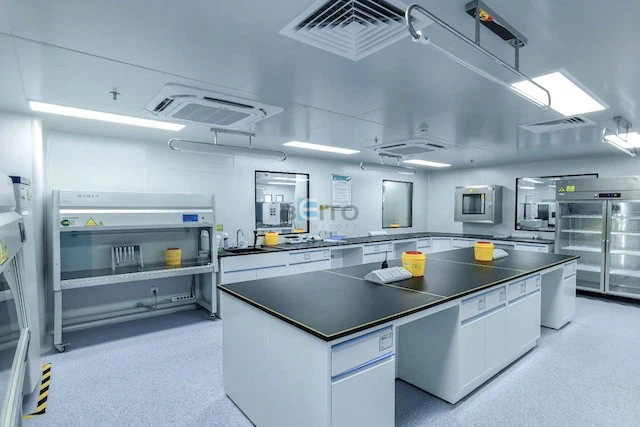
Understanding the Basics of Narrow Fume Hoods
Before delving into the cost, it's essential to understand what a narrow fume hood is. A narrow fume hood is a specialized ventilation device designed to protect laboratory personnel from hazardous fumes, vapors, and dust generated during experiments or chemical processes. Its narrow design makes it suitable for laboratories with limited space or specific experimental requirements.
Narrow fume hoods come in various types, including ducted fume hoods, ductless fume hoods, and walk-in fume hoods. Each type has its own features, advantages, and cost implications.
Factors Affecting the Cost of a Narrow Fume Hood
1. Type of Fume Hood
- Ducted Fume Hoods: These are the most common type of fume hoods. They are connected to a building's exhaust system, which removes contaminants from the laboratory and expels them outside. Ducted fume hoods are generally more expensive due to the cost of installation, including ductwork, exhaust fans, and air handling units.
- Ductless Fume Hoods: Also known as recirculating fume hoods, these units use filters to remove contaminants from the air and recirculate it back into the laboratory. Ductless fume hoods are typically less expensive to purchase and install, but they require regular filter replacement, which can add to the long-term cost.
- Walk-in Fume Hoods: These are large fume hoods that allow users to enter the enclosure. Walk-in fume hoods are used for handling large equipment or conducting experiments that require a large workspace. They are the most expensive type of fume hoods due to their size and complexity.
2. Size and Dimensions
The size of a narrow fume hood is a significant factor in determining its cost. A larger fume hood will generally cost more than a smaller one due to the increased amount of materials and labor required for its construction. Additionally, the dimensions of the fume hood must be carefully considered to ensure that it fits into the available space in the laboratory.
3. Construction Materials
The materials used in the construction of a narrow fume hood can also affect its cost. Fume hoods are typically made from a variety of materials, including stainless steel, polypropylene, and fiberglass. Stainless steel is the most common material due to its durability, corrosion resistance, and ease of cleaning. However, it is also the most expensive material. Polypropylene and fiberglass are less expensive alternatives, but they may not be as durable or resistant to chemicals.
4. Features and Accessories
The features and accessories included with a narrow fume hood can significantly impact its cost. Some common features and accessories include:
- Sash: The sash is the movable window on the front of the fume hood. It can be manually or automatically operated. Automatic sashes are more expensive but offer greater convenience and safety.
- Lighting: Adequate lighting is essential for conducting experiments in a fume hood. Some fume hoods come with built-in lighting, while others require the installation of separate lighting fixtures.
- Airflow Control: Airflow control systems are used to regulate the amount of air flowing through the fume hood. They can be manual or automatic. Automatic airflow control systems are more expensive but offer greater precision and energy efficiency.
- Filtration Systems: Ductless fume hoods require filtration systems to remove contaminants from the air. The type and quality of the filtration system can affect the cost of the fume hood.
5. Certification and Compliance
Fume hoods must meet certain safety standards and regulations to ensure the protection of laboratory personnel. The cost of certification and compliance can vary depending on the type of fume hood and the applicable standards. For example, fume hoods used in educational institutions may need to meet specific safety requirements set by local or national authorities.
Cost Range of Narrow Fume Hoods
The cost of a narrow fume hood can vary widely depending on the factors mentioned above. On average, a basic ducted narrow fume hood can cost anywhere from $2,000 to $5,000. A more advanced ducted fume hood with additional features and accessories can cost up to $10,000 or more. Ductless narrow fume hoods are generally less expensive, with prices ranging from $1,000 to $3,000.
It's important to note that these are just rough estimates, and the actual cost of a narrow fume hood may be higher or lower depending on the specific requirements of the laboratory.
Additional Costs to Consider
In addition to the purchase price of a narrow fume hood, there are several other costs that should be considered:
- Installation: The cost of installing a fume hood can vary depending on the type of fume hood, the complexity of the installation, and the location of the laboratory. Installation costs can range from a few hundred dollars to several thousand dollars.
- Maintenance and Repair: Fume hoods require regular maintenance and repair to ensure their proper functioning. This includes cleaning, filter replacement, and inspection of the airflow system. The cost of maintenance and repair can vary depending on the type of fume hood and the frequency of use.
- Energy Consumption: Ducted fume hoods require a significant amount of energy to operate. The cost of energy consumption can add up over time, especially for laboratories that use fume hoods continuously.
Conclusion
The cost of a narrow fume hood is influenced by a variety of factors, including the type of fume hood, size and dimensions, construction materials, features and accessories, certification and compliance, and additional costs such as installation, maintenance, and energy consumption. When considering the purchase of a narrow fume hood, it's important to carefully evaluate your needs and budget to ensure that you choose the right fume hood for your laboratory.
If you're in the market for a narrow fume hood, I encourage you to visit our website to learn more about our products and services. We offer a wide range of Fume Hood Cabinet that are designed to meet the needs of various laboratories. Whether you're looking for a ducted or ductless fume hood, we have the expertise and experience to help you find the right solution.
We also offer Fume Cupboards for Schools that are specifically designed to meet the safety requirements of educational institutions. Our fume cupboards are made from high-quality materials and come with a variety of features and accessories to ensure the protection of students and teachers.
In addition, we provide Fume Chamber in Chemistry Laboratory that are suitable for conducting experiments in a chemistry laboratory. Our fume chambers are designed to provide a safe and controlled environment for handling hazardous chemicals.
If you have any questions or would like to discuss your specific requirements, please don't hesitate to contact us. Our team of experts is available to assist you with your purchase and provide you with the support you need to ensure the success of your laboratory.
References
- "Laboratory Fume Hoods: A Guide to Selection, Installation, and Use." National Institute for Occupational Safety and Health (NIOSH).
- "Fume Hood Safety: Best Practices for Laboratory Workers." American Chemical Society (ACS).
- "Standards and Guidelines for Laboratory Ventilation." American Society of Heating, Refrigerating and Air-Conditioning Engineers (ASHRAE).