

What chemicals can be safely used in a fume hood cabinet?
Oct 16, 2025
Hey there! As a supplier of Fume Hood Cabinets, I often get asked about what chemicals can be safely used inside these nifty pieces of equipment. So, I thought I'd put together this blog to share some insights and clear up any confusion.
First off, let's quickly understand what a fume hood cabinet is and why it's so important. A fume hood is a ventilated enclosure in a laboratory that's designed to capture, contain, and exhaust hazardous or noxious fumes, vapors, and dusts generated during various chemical processes. You can learn more about its uses in a laboratory by checking out this link: Fume Hood Uses in Laboratory.
Now, onto the main question: what chemicals can you safely use in a fume hood cabinet? Well, it depends on a few factors, like the type of fume hood you have, its design, and the specific safety features it offers. For more on fume hood design, take a look at Fume Hood Design.
Inorganic Chemicals
Let's start with inorganic chemicals. Many inorganic acids like hydrochloric acid (HCl), sulfuric acid (H₂SO₄), and nitric acid (HNO₃) can be safely used in a fume hood. These acids are commonly used in laboratories for various purposes, such as pH adjustment, digestion of samples, and synthesis reactions.
Hydrochloric acid is a strong, corrosive acid that can produce irritating fumes. When working with it, make sure the fume hood is operating at the correct airflow rate to capture the fumes effectively. Sulfuric acid is another powerful acid that can generate heat and potentially dangerous vapors when mixed with water or other substances. Always add sulfuric acid to water slowly and carefully in a fume hood to prevent splashing and the release of harmful fumes.
Nitric acid is not only corrosive but also a strong oxidizing agent. It can react violently with organic materials and certain metals, so it's crucial to handle it with extreme care in a well-ventilated fume hood.
In addition to acids, many inorganic bases like sodium hydroxide (NaOH) and potassium hydroxide (KOH) can also be used in a fume hood. These bases are highly caustic and can cause severe burns if they come into contact with skin or eyes. The fume hood helps to protect you from any fumes or aerosols that may be generated during handling or mixing.
Organic Chemicals
When it comes to organic chemicals, things get a bit more complicated. Many organic solvents like ethanol, acetone, and dichloromethane are commonly used in laboratories and can be used in a fume hood.
Ethanol is a relatively safe organic solvent that's often used as a solvent for biological samples or in chemical reactions. However, it's flammable, so you need to take appropriate precautions in the fume hood, such as keeping it away from open flames or heat sources.
Acetone is another widely used organic solvent that's known for its fast evaporation rate. It's also flammable and can produce vapors that are irritating to the respiratory system. Make sure the fume hood is working properly to remove these vapors and prevent any potential fire hazards.
Dichloromethane is a non-flammable organic solvent, but it's a known carcinogen. Working with it in a fume hood is essential to minimize your exposure to its vapors. The fume hood should have a high-efficiency particulate air (HEPA) filter or other appropriate filtration systems to capture any dichloromethane vapors.
Other Chemicals
There are also other types of chemicals that can be safely used in a fume hood, such as peroxides, heavy metal salts, and radioactive materials. However, these chemicals require special handling procedures and additional safety precautions.

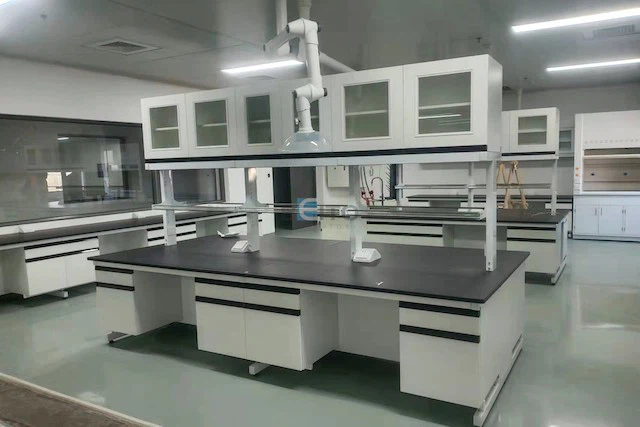
Peroxides are highly reactive and can form explosive compounds over time. They should be stored and used in a fume hood with proper ventilation and temperature control. Heavy metal salts like lead nitrate or mercury chloride are toxic and can pose serious health risks if inhaled or ingested. The fume hood helps to prevent the release of these toxic substances into the laboratory environment.
Radioactive materials are extremely hazardous and require strict regulatory compliance. If you need to work with radioactive materials in a fume hood, make sure the fume hood is specifically designed for this purpose and that you follow all the necessary safety protocols.
Safety Considerations
While a fume hood provides a certain level of protection, it's important to remember that it's not a substitute for proper safety practices. Here are some key safety considerations when using chemicals in a fume hood:
- Read the labels: Always read the labels on chemical containers carefully to understand their hazards, handling instructions, and storage requirements.
- Wear appropriate personal protective equipment (PPE): This includes gloves, goggles, lab coats, and respirators if necessary.
- Follow proper handling procedures: For example, use the correct pipettes, funnels, and other equipment when transferring chemicals.
- Keep the fume hood clean: Regularly clean the fume hood to remove any chemical residues or spills that could pose a safety hazard.
- Test the fume hood regularly: Make sure the fume hood is operating at the correct airflow rate and that the ventilation system is working properly.
Conclusion
In conclusion, a wide range of chemicals can be safely used in a fume hood cabinet, including inorganic acids and bases, organic solvents, peroxides, heavy metal salts, and radioactive materials. However, it's essential to understand the specific hazards of each chemical and follow proper safety procedures.
If you're in the market for a high-quality fume hood cabinet, look no further! Our Fume Hood Cabinet is designed with the latest technology and safety features to provide you with reliable protection. Whether you're a small research laboratory or a large industrial facility, we have the right fume hood cabinet for your needs.
If you have any questions or are interested in purchasing a fume hood cabinet, feel free to reach out to us for a consultation. We're here to help you find the best solution for your laboratory safety needs.
References
- Laboratory Safety Handbook, National Institute for Occupational Safety and Health (NIOSH)
- Chemical Safety Data Sheets, various chemical manufacturers