

How to operate an Exhaust Fume Hood in a high - altitude area?
Dec 26, 2025
Yo! I'm an exhaust fume hood supplier, and I've gotten tons of questions about running these bad boys in high - altitude areas. So, I thought I'd put together this blog to share some tips and tricks.
First off, let's talk about why high - altitude areas are different. At high altitudes, the air is thinner. That means there's less oxygen and lower air pressure compared to sea - level. These changes can have a big impact on how an exhaust fume hood works.
Understanding the Basics
One of the key things to understand about an exhaust fume hood is how it creates negative pressure inside. When you turn on the ventilation system, it sucks air out of the hood, creating a flow that pulls fumes and hazardous materials away from the user. But in a high - altitude area, the lower air pressure can make it a bit tricky to achieve the right amount of negative pressure.
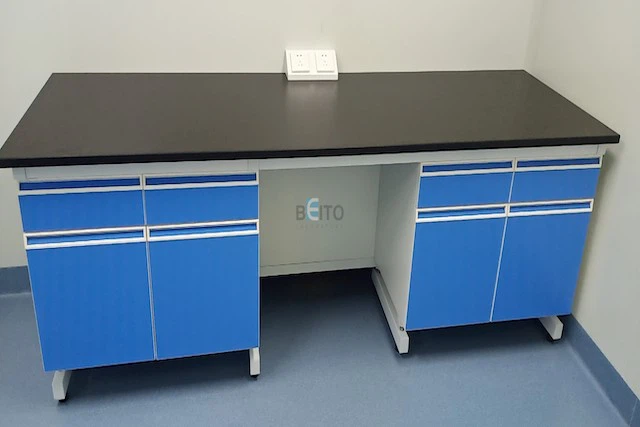

Let's say you've got a Walkin Fume Hood. These are big, usually used when you need to work with large equipment or large quantities of chemicals. In a high - altitude area, the ventilation system might need some adjustments. The motors that power the exhaust fans may have to work harder because the thin air doesn't provide as much resistance.
Motor and Fan Considerations
Most standard exhaust fume hoods are designed for normal sea - level conditions. When they're used in high - altitude areas, the fans may not move air as efficiently. You might notice that the air flow seems weaker than usual, or that the fumes aren't being pulled away as quickly.
To fix this, you could upgrade the motor or switch to a fan that's designed for high - altitude use. Some fans have special blades and a more powerful motor that can handle the thin air. These fans can maintain a good air flow even at high altitudes.
Airflow Adjustments
Another important thing is adjusting the airflow rates. In high - altitude areas, you may need to increase the airflow in the fume hood. The ventilation system should be calibrated to ensure that it can pull enough air to keep the fumes from escaping.
The Fume Hood Sashes also play a crucial role here. They control the opening of the fume hood, which affects the airflow. In high - altitude areas, you may need to adjust the sash position more carefully. A lower sash opening can sometimes help to increase the capture efficiency of the fume hood by creating a more focused airflow.
Pressure and Leakage
Checking for pressure differentials and leaks is super important. The lower air pressure at high altitudes can make it easier for fumes to leak out of the fume hood. You should regularly test the fume hood for any leaks around the edges, seals, and the sash.
Use a pressure gauge to monitor the pressure inside and outside the fume hood. If there's not enough of a pressure difference, the fumes won't be effectively pulled into the exhaust system. And as mentioned before, the thin air can make it harder to maintain that pressure difference. So, you might need to make some adjustments to the ventilation system to keep it at the right level.
Cabinet Considerations
The Fume Hood Cabinet also needs some attention. In high - altitude areas, the materials used in the cabinet can be more prone to drying out and cracking. This is because the lower humidity levels at high altitudes can cause the wood, plastic, or metal to shrink.
Make sure to choose a cabinet that's made from high - quality, durable materials. And consider using a moisture - resistant coating if possible. Regularly inspect the cabinet for any signs of damage, such as cracks or loose fittings.
Maintenance and Monitoring
Maintenance is key when operating an exhaust fume hood in a high - altitude area. You need to clean the filters more often because the thin air can carry more dust and debris. A dirty filter can reduce the airflow and make the ventilation system less effective.
Also, keep an eye on the performance of the fume hood. Use airflow monitors and pressure sensors to track how well it's working. If you notice any changes in the air flow or pressure, it's a sign that something might be wrong.
Training and Safety
Proper training for the users is essential. Everyone who uses the fume hood in a high - altitude area should be aware of the differences in how it operates. They need to know how to adjust the sash, monitor the airflow, and recognize any signs of a problem.
Safety should always be the top priority. Make sure that all users understand the potential hazards of working with chemicals in a high - altitude environment and how the fume hood is designed to protect them.
Conclusion
Operating an exhaust fume hood in a high - altitude area definitely has its challenges. But with the right adjustments, maintenance, and training, you can keep it working effectively and safely.
If you're in the market for a new exhaust fume hood or need to upgrade your existing one for use in a high - altitude area, I'd love to chat. Whether you're looking for a Walkin Fume Hood, need to replace your Fume Hood Sashes, or are interested in a new Fume Hood Cabinet, we've got you covered. Reach out to start a conversation about your specific needs.
References
- General knowledge about exhaust fume hoods and high - altitude effects on ventilation systems.
- Industry standards for fume hood operation and safety.