

How to dispose of waste from bench top fume hoods?
Aug 15, 2025
As a supplier of Bench Top Fume Hoods, I understand the importance of proper waste disposal from these essential laboratory equipment. Bench top fume hoods are designed to protect users from harmful fumes, vapors, and dust generated during various laboratory procedures. However, the waste generated within these fume hoods needs to be managed correctly to ensure environmental safety and compliance with regulations. In this blog, I will share some insights on how to dispose of waste from bench top fume hoods effectively.
Understanding the Types of Waste from Bench Top Fume Hoods
Before discussing the disposal methods, it's crucial to understand the different types of waste that can be generated in bench top fume hoods. The waste can generally be classified into the following categories:
- Chemical Waste: This includes spent reagents, solvents, and other chemicals used in laboratory experiments. Chemical waste can be hazardous, flammable, corrosive, or toxic, and requires special handling and disposal procedures.
- Biological Waste: If the fume hood is used in a biological or medical laboratory, it may generate biological waste such as cultures, tissues, and specimens. Biological waste needs to be treated to prevent the spread of pathogens and disposed of in accordance with relevant regulations.
- Solid Waste: This includes items like gloves, filter papers, and broken glassware. Solid waste should be separated from other types of waste and disposed of properly.
- Airborne Contaminants: The fume hood filters capture airborne contaminants such as dust, fumes, and vapors. Over time, these filters become saturated and need to be replaced. The used filters also need to be disposed of correctly.
Disposal Methods for Different Types of Waste
Chemical Waste
- Segregation: Separate different types of chemical waste based on their properties, such as acids, bases, flammables, and toxics. This helps prevent dangerous chemical reactions during storage and disposal.
- Storage: Store chemical waste in approved containers that are labeled clearly with the contents, date of collection, and any hazard warnings. Keep the containers in a designated storage area that is well-ventilated and away from heat sources and incompatible materials.
- Disposal: Contact a licensed hazardous waste disposal company to handle the proper disposal of chemical waste. They have the expertise and equipment to ensure that the waste is treated and disposed of in an environmentally friendly and compliant manner.
Biological Waste
- Autoclaving: For most biological waste, autoclaving is a common method of sterilization. Autoclaving uses high-pressure steam to kill pathogens and render the waste safe for disposal. After autoclaving, the waste can be disposed of as regular solid waste.
- Chemical Treatment: In some cases, chemical treatment may be used to disinfect biological waste. This method is suitable for waste that cannot be autoclaved, such as certain types of liquid waste.
- Disposal: Dispose of treated biological waste in accordance with local regulations. This may involve placing the waste in special containers and sending it to a licensed medical waste disposal facility.
Solid Waste
- Separation: Separate solid waste from other types of waste. Broken glassware should be placed in a puncture-resistant container, while other solid items like gloves and filter papers can be placed in a regular trash bag.
- Recycling: Whenever possible, recycle solid waste items such as cardboard boxes and plastic containers. Check with your local recycling facilities for their specific requirements.
- Disposal: Dispose of non-recyclable solid waste in a regular trash bin. Make sure the trash bin is located in a designated area and is emptied regularly.
Airborne Contaminants (Used Filters)
- Filter Replacement: Regularly replace the fume hood filters according to the manufacturer's recommendations. This ensures that the fume hood continues to function effectively and captures airborne contaminants.
- Disposal of Used Filters: The used filters should be disposed of as hazardous waste due to the presence of captured contaminants. Contact a licensed hazardous waste disposal company to handle the proper disposal of used filters. You can find more information about Fume Hood Filter on our website.
Best Practices for Waste Disposal from Bench Top Fume Hoods
- Training: Provide proper training to laboratory personnel on waste disposal procedures. Make sure they understand the different types of waste, the importance of proper segregation, and the correct disposal methods.
- Regular Inspections: Conduct regular inspections of the fume hood and the waste storage area to ensure that waste is being managed correctly. Check for any signs of leaks, spills, or improper storage.
- Documentation: Keep detailed records of waste generation, storage, and disposal. This documentation is important for compliance purposes and can help in case of an audit.
- Emergency Response Plan: Develop an emergency response plan in case of a spill or other waste-related incident. The plan should include procedures for containing the spill, notifying the appropriate authorities, and cleaning up the mess.
Compliance with Regulations
It's essential to comply with all relevant regulations regarding waste disposal from bench top fume hoods. These regulations may vary depending on the location and the type of waste. Some of the key regulations include:
- Environmental Protection Agency (EPA) Regulations: The EPA sets standards for the management and disposal of hazardous waste. Make sure your waste disposal practices comply with EPA regulations.
- Occupational Safety and Health Administration (OSHA) Regulations: OSHA regulations focus on the safety of laboratory personnel. Ensure that your waste disposal procedures protect the health and safety of your employees.
- Local Regulations: In addition to federal regulations, there may be local regulations that govern waste disposal. Check with your local environmental health department for specific requirements.
Conclusion
Proper waste disposal from bench top fume hoods is crucial for environmental safety, compliance with regulations, and the well-being of laboratory personnel. By understanding the different types of waste, using the appropriate disposal methods, and following best practices, you can ensure that your laboratory waste is managed effectively.
As a supplier of Bench Top Fume Hoods, we are committed to providing our customers with high-quality products and comprehensive support. If you have any questions about waste disposal or need assistance in choosing the right fume hood for your laboratory, please feel free to contact us. We are here to help you make informed decisions and ensure the safe and efficient operation of your laboratory.
If you are interested in exploring other types of fume hoods, you can visit our website to learn more about Walkin Fume Hood and Fume Cupboards for Schools.
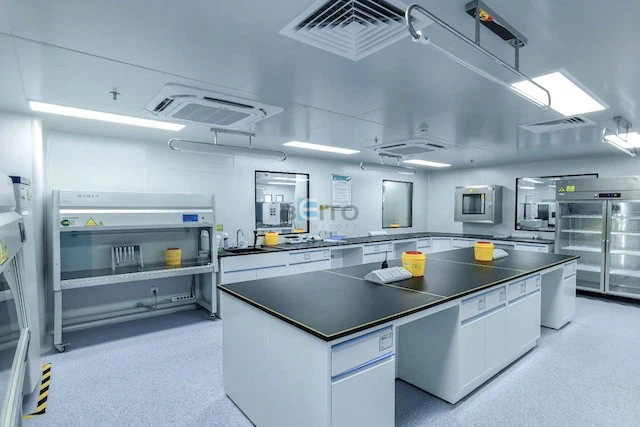

Let's work together to create a safer and more sustainable laboratory environment.
References
- Environmental Protection Agency (EPA). Hazardous Waste Management Regulations.
- Occupational Safety and Health Administration (OSHA). Laboratory Safety Standards.
- Local Environmental Health Department. Waste Disposal Regulations.