

Can science lab tables be used in a food science lab?
Jul 31, 2025
In the realm of scientific research and education, the choice of appropriate laboratory equipment is crucial. Science lab tables are a staple in many types of laboratories, but the question arises: can they be effectively used in a food science lab? As a supplier of Science Lab Tables, I am well - versed in the features and requirements of different lab settings, and I will delve into this topic in detail.
General Characteristics of Science Lab Tables
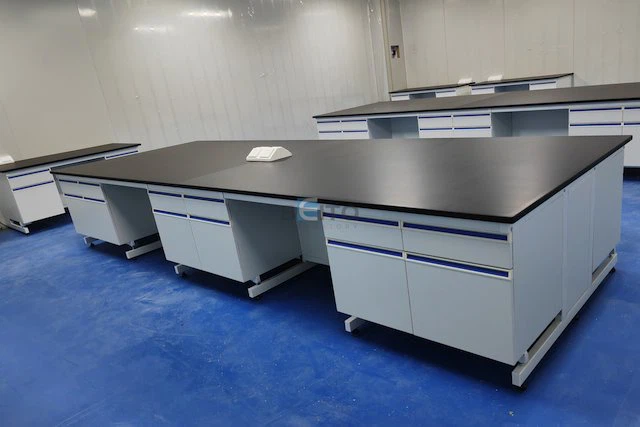
Science lab tables are designed to provide a stable and functional workspace for various scientific activities. They typically come in different sizes, shapes, and materials to accommodate different needs. Most science lab tables are made of materials that are resistant to chemicals, heat, and scratches. For example, some tables are constructed with epoxy resin tops, which are highly durable and can withstand exposure to a wide range of chemicals commonly used in laboratories.
These tables often have features such as built - in storage compartments, drawers, and shelves to keep laboratory equipment and supplies organized. Some science lab tables also offer adjustable height options, which can be beneficial for users of different heights or for specific experimental procedures. You can learn more about Adjustable Height Lab Table on our website.
Requirements of a Food Science Lab
Food science labs have their own unique set of requirements. First and foremost, hygiene is of utmost importance. Any surface in a food science lab must be easy to clean and disinfect to prevent the growth of bacteria and other microorganisms that could contaminate food samples. The materials used in the construction of lab tables in a food science lab should be non - porous and resistant to staining, so that they can be thoroughly sanitized.
In addition to hygiene, food science labs often deal with a variety of food samples, which may include liquids, powders, and semi - solid substances. Therefore, the lab tables need to be able to resist corrosion from these substances. For example, acidic food samples or cleaning agents used in the lab can cause damage to the table surface if it is not properly protected.
Another important aspect is the need for a stable surface for conducting experiments. Food science experiments may involve the use of sensitive equipment such as balances and spectrometers, which require a flat and vibration - free surface to ensure accurate results.
Suitability of Science Lab Tables in a Food Science Lab
Material Compatibility
Many of the materials used in science lab tables can be suitable for food science labs. Epoxy resin tops, as mentioned earlier, are a good choice. They are non - porous, which means that they do not allow bacteria or food particles to penetrate the surface. This makes them easy to clean and maintain a high level of hygiene. Stainless steel is also a popular material for food science lab tables. It is corrosion - resistant, durable, and can be easily sanitized.
However, not all materials are appropriate. Some wood - based lab tables may absorb moisture and food particles, creating a breeding ground for bacteria. Additionally, certain types of plastics may not be resistant to the chemicals and food substances used in a food science lab.
Design Features
The design features of science lab tables can also be adapted to meet the needs of a food science lab. For example, the built - in storage compartments can be used to store food - specific equipment such as food processors, blenders, and sample containers. The adjustable height feature can be useful for food scientists who need to work with different types of equipment at various heights.
Moreover, proper lab bench design is essential to ensure efficient workflow in a food science lab. A well - designed Lab Bench Design can provide easy access to equipment and supplies, as well as a clear separation between different work areas, such as sample preparation, analysis, and storage.
Meeting Hygiene Standards
To ensure that science lab tables meet the hygiene standards of a food science lab, proper cleaning and maintenance procedures need to be followed. Regular cleaning with appropriate disinfectants is necessary to prevent the growth of bacteria. It is also important to inspect the tables regularly for any signs of damage or wear, as damaged surfaces can harbor bacteria.
Advantages of Using Science Lab Tables in a Food Science Lab
Cost - Effectiveness
Science lab tables are often more cost - effective than specialized food science lab tables. As a supplier, we offer a wide range of science lab tables at competitive prices. By choosing a science lab table that meets the requirements of a food science lab, food science institutions and researchers can save on equipment costs without sacrificing quality.
Versatility
Science lab tables are designed to be versatile, which means that they can be used for a variety of experiments and activities in a food science lab. They can be easily reconfigured to accommodate different types of equipment and experimental setups. This versatility allows food scientists to conduct a wide range of research projects without having to invest in multiple types of specialized tables.

Availability
As a supplier, we have a large inventory of science lab tables in stock. This means that we can provide quick delivery to our customers, reducing the downtime in a food science lab. Whether you need a single table or a large number of tables for a new lab setup, we can meet your needs in a timely manner.
Considerations When Using Science Lab Tables in a Food Science Lab
Customization
In some cases, food science labs may require customized science lab tables to meet their specific needs. For example, a lab that conducts a lot of high - throughput food analysis may need tables with additional electrical outlets or specialized plumbing for sample handling. As a supplier, we offer customization services to ensure that our tables can be tailored to the unique requirements of each food science lab. You can learn more about our Laboratory Desk and customization options on our website.
Compliance with Regulations
Food science labs are subject to various regulations regarding food safety and hygiene. When using science lab tables in a food science lab, it is important to ensure that the tables comply with these regulations. This may involve using materials that are approved for food contact and following proper cleaning and maintenance procedures.
Conclusion
In conclusion, science lab tables can be effectively used in a food science lab. With the right choice of materials, design features, and proper maintenance, science lab tables can meet the unique requirements of a food science lab in terms of hygiene, stability, and functionality. As a supplier of Science Lab Tables, we are committed to providing high - quality tables that are suitable for a wide range of scientific applications, including food science.
If you are interested in purchasing science lab tables for your food science lab, we invite you to contact us for a detailed discussion. Our team of experts can help you choose the right tables based on your specific needs and requirements. We look forward to the opportunity to work with you and contribute to the success of your food science research.
References
- ASTM International. (20XX). Standard guide for laboratory furniture.
- Food and Drug Administration. (20XX). Guidelines for food safety in laboratories.
- National Sanitation Foundation. (20XX). Standards for food - contact surfaces in laboratories.