

Can a fume hood be used for vacuum operations?
Nov 03, 2025
Hey there! As a supplier of fume hoods, I often get asked a bunch of questions about how these things work and what they can be used for. One question that pops up quite a bit is, "Can a fume hood be used for vacuum operations?" Well, let's dive right into it and find out.
First off, let's quickly go over what a fume hood is. A fume hood is a ventilated enclosure that's designed to capture, contain, and exhaust hazardous or noxious fumes, vapors, and dusts generated during laboratory procedures. It's like a protective shield for lab workers, keeping them safe from inhaling all those nasty chemicals.
Now, onto the big question: using a fume hood for vacuum operations. In some cases, it's possible, but there are a whole bunch of factors you need to consider.
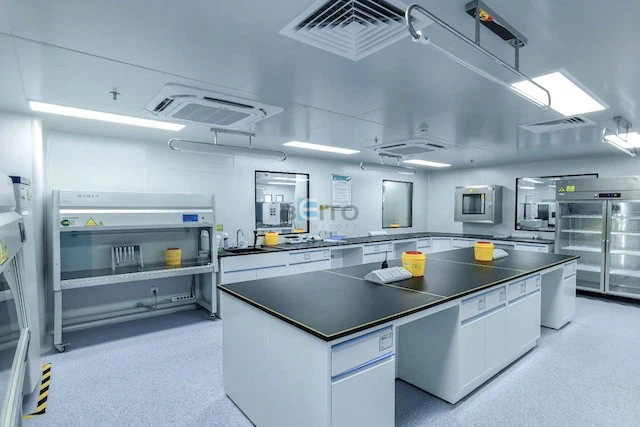

Compatibility of Equipment
One of the main things you've got to think about is whether your fume hood is actually compatible with vacuum equipment. Not all fume hoods are built the same way. Some are designed for general chemical use, while others are more specialized.
If you're planning to use a vacuum pump inside the fume hood, you need to make sure that the fume hood can handle the additional load. Vacuum pumps can generate heat and vibrations, and if the fume hood isn't sturdy enough, it could cause problems. For example, excessive vibrations might affect the integrity of the fume hood's structure over time, or the heat could interfere with the ventilation system.
Ventilation Requirements
Proper ventilation is the name of the game when it comes to fume hoods. When you're using a vacuum pump, it can create its own set of fumes and vapors. These need to be effectively removed from the fume hood to maintain a safe working environment.
The ventilation system of the fume hood should be able to handle the increased airflow requirements. If the ventilation is inadequate, the fumes and vapors from the vacuum operation could build up inside the fume hood and potentially leak out into the lab. This is a major safety hazard, as it could expose lab workers to harmful chemicals.
Chemical Compatibility
Another crucial factor is chemical compatibility. Different chemicals react differently with each other and with the materials used in the fume hood and vacuum equipment.
For instance, if you're working with corrosive chemicals in your vacuum operation, you need to make sure that the fume hood's interior lining and the vacuum pump components are resistant to corrosion. Otherwise, the chemicals could eat away at the materials, leading to equipment failure and potential chemical spills.
Safety Considerations
Safety should always be your top priority. When using a fume hood for vacuum operations, there are a few safety measures you need to take.
First, make sure that the fume hood is properly installed and maintained. Regular inspections and maintenance can help identify any potential issues before they become major problems.
Second, use appropriate personal protective equipment (PPE). This includes gloves, goggles, and lab coats. Even though the fume hood is designed to protect you, it's always better to be extra cautious.
Third, follow all the manufacturer's instructions for both the fume hood and the vacuum equipment. This will ensure that you're using the equipment correctly and safely.
Types of Fume Hoods and Vacuum Operations
Let's take a look at different types of fume hoods and how they might work for vacuum operations.
Fume Cupboards for Schools
If you're in a school setting, you might be using Fume Cupboards for Schools. These fume cupboards are usually designed for basic chemical experiments and teaching purposes.
While they can potentially be used for simple vacuum operations, you need to be extra careful. School fume cupboards might not have the same level of robustness and ventilation capacity as industrial or research-grade fume hoods. So, make sure to assess the specific requirements of your vacuum operation and the capabilities of the fume cupboard before proceeding.
Portable Fumehood
Portable fume hoods, like the ones you can find at Portable Fumehood, offer flexibility. They can be moved around the lab as needed.
However, when it comes to vacuum operations, their portability can also be a drawback. Portable fume hoods might have limited ventilation capacity and structural stability. You need to ensure that the vacuum equipment doesn't overload the fume hood and that the ventilation is sufficient to remove the fumes generated.
Walkin Fume Hood
Walk-in fume hoods, such as those described at Walkin Fume Hood, are large and can accommodate bigger equipment and more complex operations.
These fume hoods are generally better suited for vacuum operations, as they usually have more powerful ventilation systems and can handle the additional load. However, you still need to make sure that the vacuum equipment is properly installed and that the ventilation is adjusted to meet the specific requirements of the operation.
When It's a Good Idea
There are definitely situations where using a fume hood for vacuum operations makes sense. For example, if you're working with volatile chemicals that need to be contained and exhausted during the vacuum process, a fume hood can provide the necessary protection.
Also, if you're conducting experiments that require a controlled environment, the fume hood can help maintain the right conditions. It can prevent external contaminants from entering the workspace and ensure that the fumes and vapors from the vacuum operation are safely removed.
When It's Not a Good Idea
On the other hand, there are times when using a fume hood for vacuum operations is a bad idea. If the fume hood is not designed to handle the additional load of the vacuum equipment, or if the ventilation system is inadequate, it can pose a serious safety risk.
For example, if you're using a small, basic fume hood for a high-volume vacuum operation, the fume hood might not be able to keep up with the airflow requirements. This could lead to a buildup of fumes and vapors, which could be dangerous for lab workers.
Conclusion
So, can a fume hood be used for vacuum operations? The answer is, it depends. There are many factors to consider, including equipment compatibility, ventilation requirements, chemical compatibility, and safety.
If you're thinking about using a fume hood for vacuum operations, I highly recommend consulting with an expert. As a fume hood supplier, I'm here to help you make the right decision. We can assess your specific needs and recommend the best fume hood and equipment for your situation.
If you're interested in purchasing a fume hood or have any questions about using them for vacuum operations, feel free to reach out. We're always happy to have a chat and discuss your requirements. Let's work together to create a safe and efficient laboratory environment.
References
- Laboratory Safety Guidelines, National Institute for Occupational Safety and Health (NIOSH)
- Fume Hood Standards and Best Practices, American National Standards Institute (ANSI)