

Are there any additional costs associated with bench top fume hoods?
Oct 28, 2025
When considering the acquisition of bench top fume hoods, it is crucial for potential buyers to have a comprehensive understanding of all associated costs. As a seasoned supplier of bench top fume hoods, I am well - versed in the various expenses that may come with these essential laboratory equipment. In this blog, we will explore the additional costs beyond the initial purchase price that you should be aware of when dealing with bench top fume hoods.
Installation Costs
The installation of a bench top fume hood is often not as straightforward as simply placing it on a bench. First, there are electrical requirements. The fume hood may need to be connected to a power source, and in some cases, specialized electrical work may be necessary. If your laboratory's existing electrical system does not have the appropriate outlets or capacity, you may need to hire an electrician to install new wiring or upgrade the electrical panel. This can incur significant costs depending on the complexity of the work.
Secondly, ventilation is a key aspect. Bench top fume hoods need to be properly connected to an exhaust system. The installation of the exhaust ductwork can be expensive, especially if it needs to be customized to fit the layout of your laboratory. Professional installers are often required to ensure that the ductwork is airtight and properly routed to expel the fumes safely outside the building. The cost of hiring a ventilation expert and the materials for the ductwork can add up quickly.
Operational Costs
Energy Consumption
Bench top fume hoods are energy - intensive equipment. The exhaust fan, which is responsible for drawing in and expelling the fumes, runs continuously during operation. The power consumption of the fan depends on its size and capacity. Larger fume hoods with more powerful fans will consume more electricity. Over time, these energy costs can be substantial. To put it into perspective, a medium - sized bench top fume hood may consume several hundred kilowatt - hours of electricity per month. This means that you need to factor in the long - term energy costs when budgeting for your fume hood.
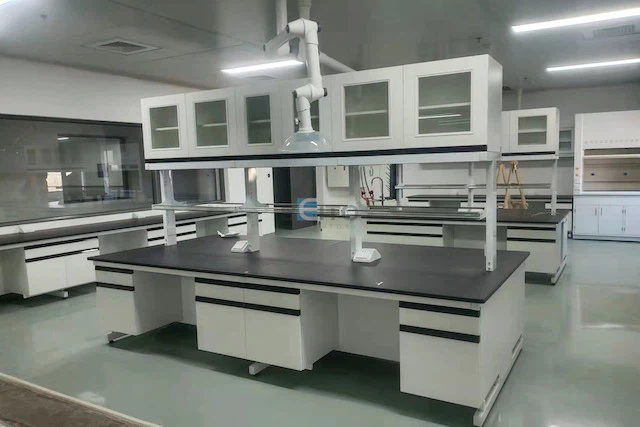

Filter Replacement
Fume hood filters play a vital role in capturing and removing harmful contaminants from the air. There are different types of filters available, such as activated carbon filters and HEPA filters, each designed to target specific types of pollutants. These filters have a limited lifespan and need to be replaced regularly. The frequency of replacement depends on the usage of the fume hood and the type of chemicals being used. For example, if you are working with highly volatile chemicals, the filters may need to be replaced more frequently. The cost of filters can vary depending on their size and quality. You can find more information about fume hood filters here: Fume Hood Filter.
Maintenance and Repair Costs
Routine Maintenance
Regular maintenance is essential to ensure the proper functioning and safety of your bench top fume hood. This includes tasks such as cleaning the interior of the fume hood, checking the integrity of the seals, and inspecting the exhaust fan and filters. You may choose to perform some of the basic maintenance tasks in - house, but for more complex procedures, it is advisable to hire a professional maintenance service. Professional maintenance technicians have the expertise and tools to conduct thorough inspections and ensure that all components of the fume hood are in good working condition. The cost of routine maintenance can vary depending on the complexity of the fume hood and the frequency of service.
Repairs
Despite regular maintenance, fume hoods may still experience breakdowns or malfunctions over time. Components such as the exhaust fan, motors, or control systems can fail, and these repairs can be costly. The cost of repairs depends on the nature of the problem and the availability of replacement parts. In some cases, you may need to order specialized parts from the manufacturer, which can take time and may be expensive. It is important to have a contingency plan for potential repair costs to avoid unexpected financial burdens.
Compliance and Certification Costs
Regulatory Compliance
Laboratories are subject to strict regulations regarding the use of fume hoods. These regulations are in place to protect the health and safety of laboratory personnel and the environment. Bench top fume hoods need to meet certain standards and requirements, such as airflow rates and containment efficiency. To ensure compliance, you may need to conduct regular performance tests on your fume hood. These tests are typically carried out by independent testing agencies, and the cost of the tests can vary depending on the scope and complexity of the evaluation.
Certification
Some industries or research institutions may require fume hoods to be certified by recognized organizations. Certification provides assurance that the fume hood meets specific quality and safety standards. Obtaining certification can involve additional costs, including application fees, testing fees, and inspection fees. However, having a certified fume hood can be beneficial in the long run, as it can enhance the credibility of your laboratory and ensure that you are meeting all the necessary regulatory requirements.
Training Costs
Proper training is essential for laboratory personnel who will be using the bench top fume hood. Training programs should cover topics such as the correct operation of the fume hood, safety procedures, and the proper handling of chemicals. You can either develop an in - house training program or hire external trainers. In - house training may require the allocation of internal resources, such as staff time and training materials. Hiring external trainers can be more expensive, but they often have more experience and can provide comprehensive training programs. However, investing in training is crucial to ensure the safe and effective use of the fume hood, which can ultimately help to reduce the risk of accidents and costly mistakes.
Conclusion
In conclusion, while the initial purchase price of a bench top fume hood is an important consideration, it is only a part of the overall cost. Additional costs such as installation, operation, maintenance, compliance, and training can significantly impact your budget. As a supplier of bench top fume hoods, I understand the importance of providing our customers with a clear understanding of all these costs. We are committed to helping you make an informed decision when purchasing a fume hood.
If you are interested in learning more about our bench top fume hoods or would like to discuss your specific requirements, we encourage you to reach out to us. Our team of experts is ready to assist you in selecting the right fume hood for your laboratory and providing you with detailed information about all the associated costs. Whether you are a small research laboratory or a large industrial facility, we have the products and expertise to meet your needs. Contact us today to start the procurement process and ensure that your laboratory has a safe and efficient fume hood solution.
References
- Laboratory Safety Guidelines, Occupational Safety and Health Administration (OSHA)
- Fume Hood Standards and Best Practices, National Fire Protection Association (NFPA)
- Technical Manuals of Bench Top Fume Hood Manufacturers